
Chess Castle
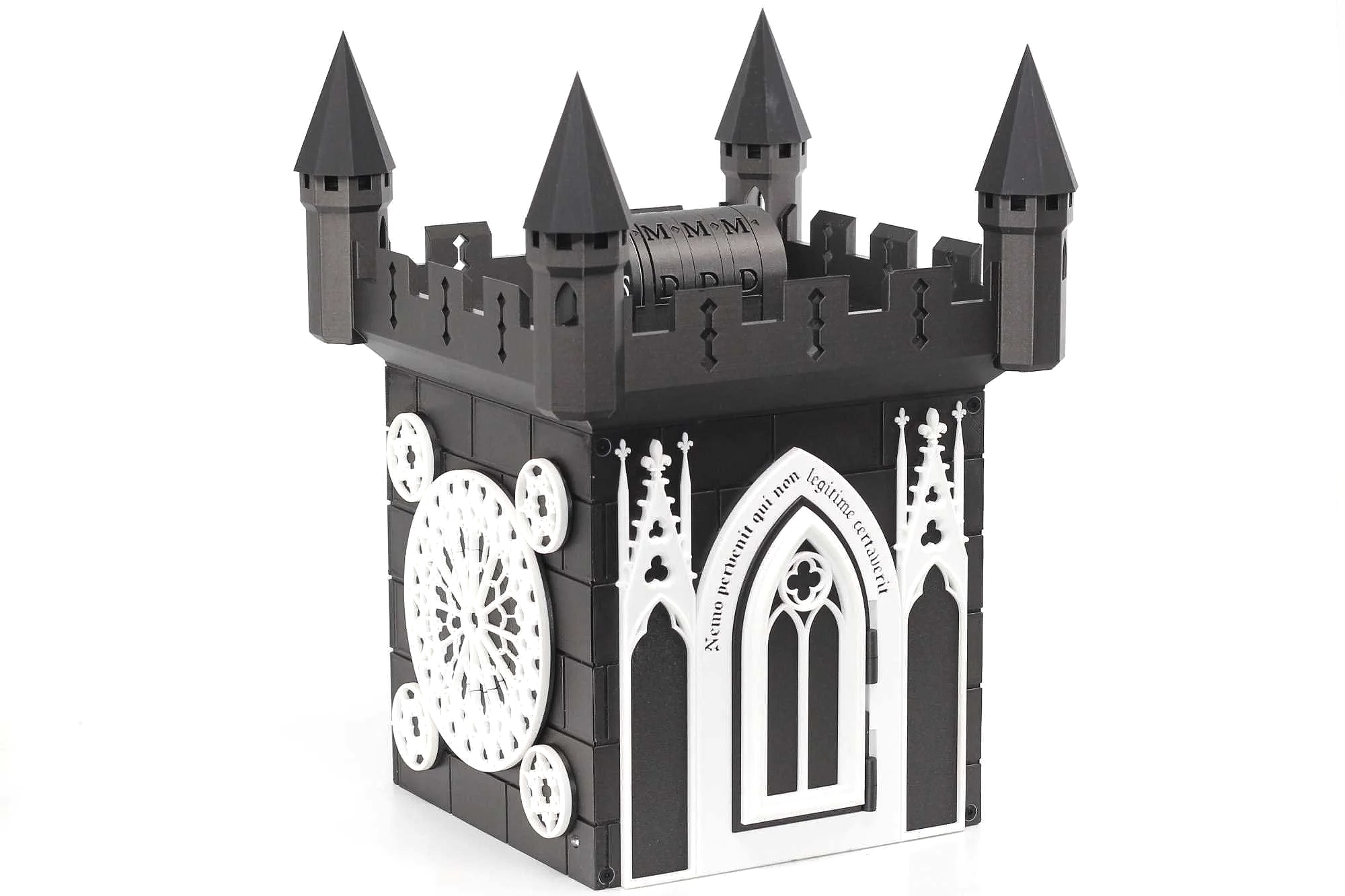
Chess Castle by Marc Duran
Dr. Emanuel Lasker was a German chess master who held the world championship title for 27 years, from 1894-1921. A popular anecdote relates to his habit of playing anonymously for fun, and a particular such match against a blind prodigy. After a few turns, the grand master made a tell-tale powerful move, to which the blind man responded, “Ah, Dr. Lasker, I presume?” Fortunately, you do not need to be a chess master to approach this compelling castle, but like the blind man, you will recognize a master at work.
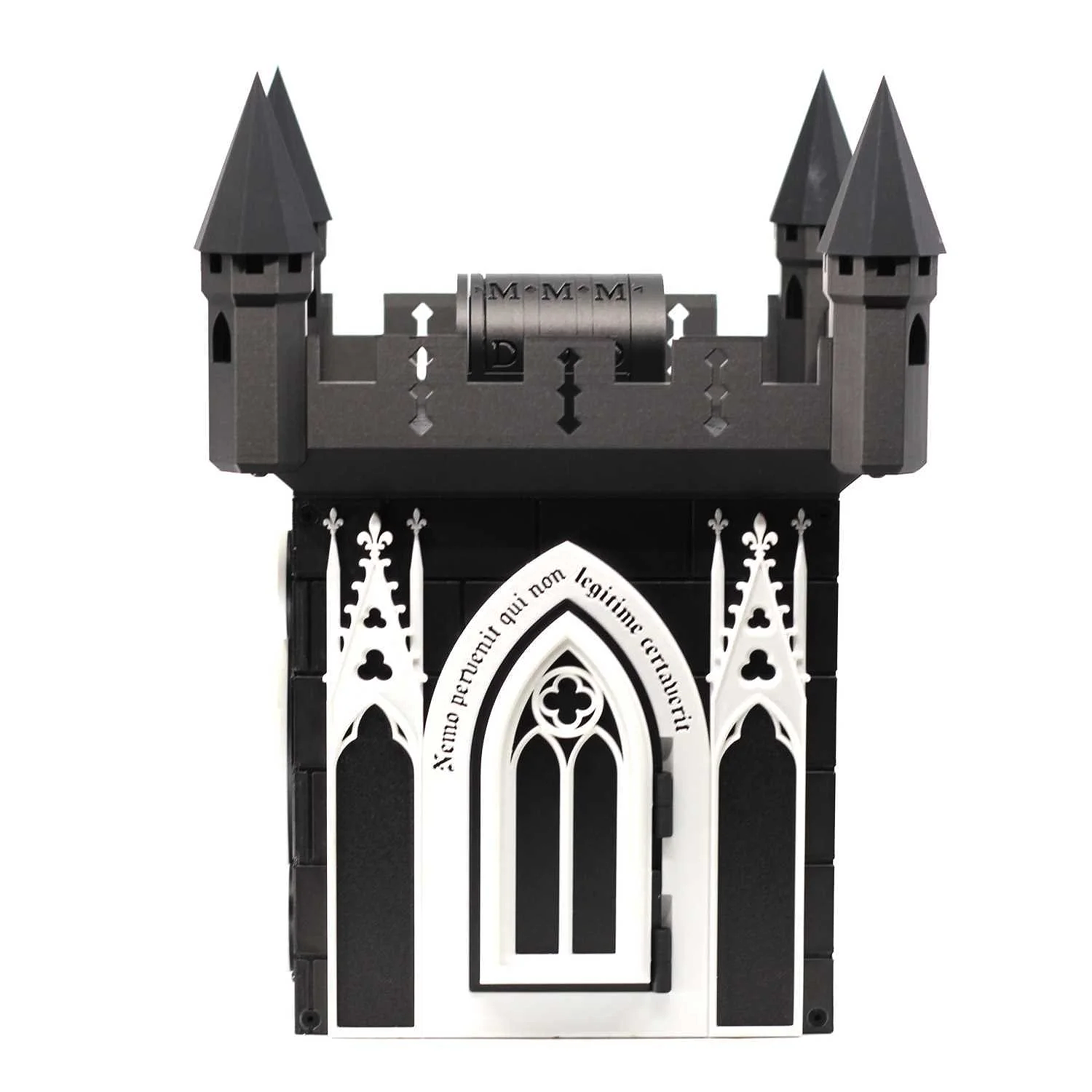
this gambit is no sacrifice
Creating an “escape room” style adventure in a self-contained, portable object, is an endeavor which has become increasingly popular over recent years. Unlike the typical “trick box”, which hides a secret mechanism, or two or three, keeping you from entering (a highly enjoyable and admirable type of creation, by the way, of which you may find a few on these pages), the “adventure” box, as I have come to think of it, is an entirely different experience. Many have done it well, such as the team at iDVenture and their “Cluebox” series, and the ADNigma team, with products positioned squarely as an “escape room in a box”. There are others who have blurred the lines, such as Phillip Black, Christophe Laronde, or Jesse Born, with creations that propel a story with a mixture of clues and hidden secret mechanisms like those found (or not!) in a more traditional puzzle box, often while incorporating delightful automation which adds excitement and suspense.

digress for some chess
Marc Duran, a French business consultant and IT specialist with an interest in “history, architecture, cryptology, brain teasers and puzzles” who is passionate in the pursuit of escape rooms, decided to embark on a new passion project a few years ago, creating his own perfect puzzle boxes that embody all of his interest. “I wanted to create the puzzle boxes that I dreamed of having but that no one had yet designed.” He launched his fledgling company Archimaze, a portmanteau of architecture and the intellectual challenge of the labyrinth, with the first offering from his fantastical world, the Chess Castle, another rather clever play on words. The name Archimaze also cleverly evokes “Archimedes, a famous Greek physicist, engineer, mathematician and astronomer from the 3rd century BC, who is credited with creating the very first puzzle.”
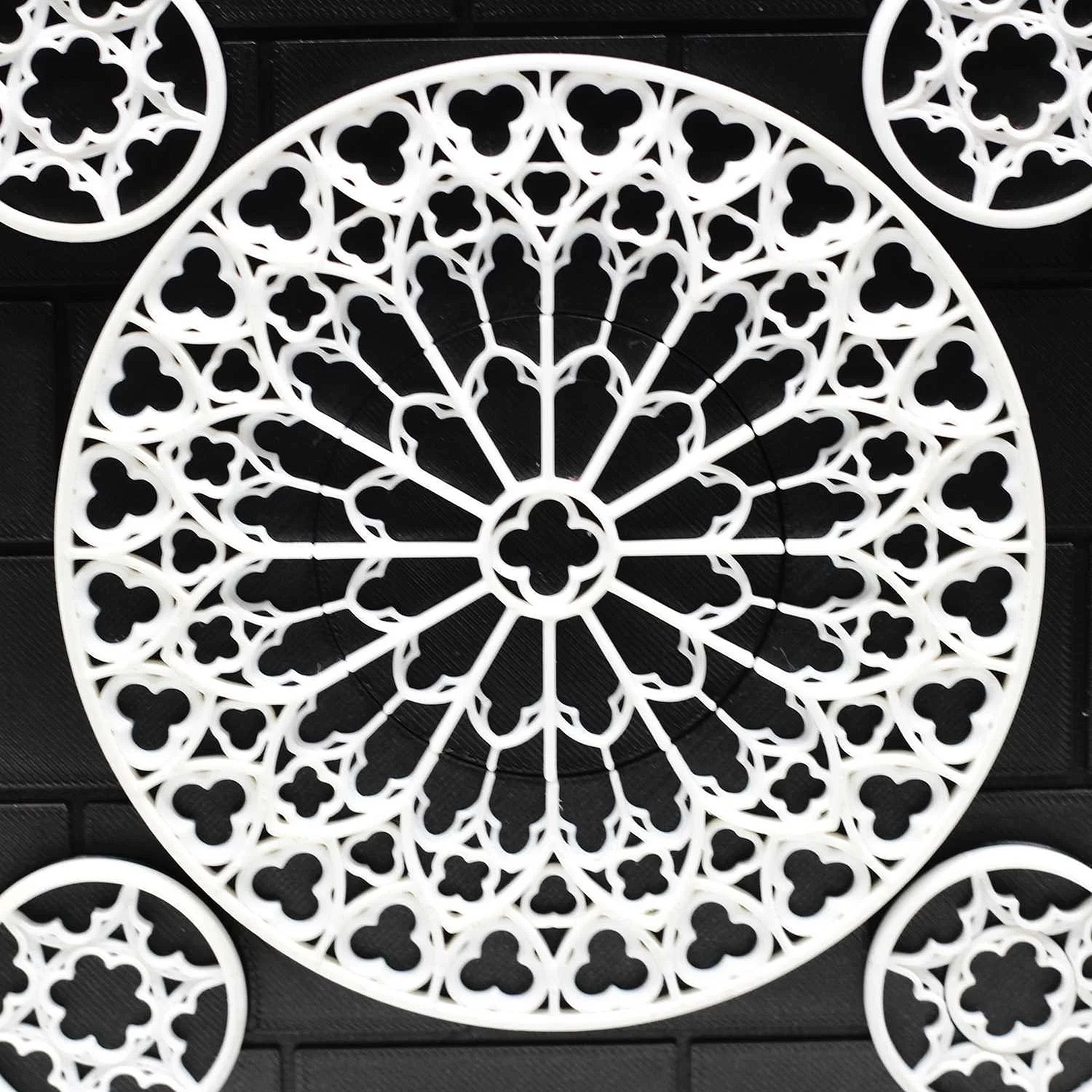
our lady’s got nothing on this
The beautifully rendered castle can be considered as a cube, with six sides. The walls and roof of the castle have prominent unique features which each tease the promise of discovery. They keep their promises, and they do not disappoint! Along the way you will find many players in this well orchestrated game, each with his or her own objective, role and fealty. Play well, discover all the hidden secrets, and you will be richly rewarded.
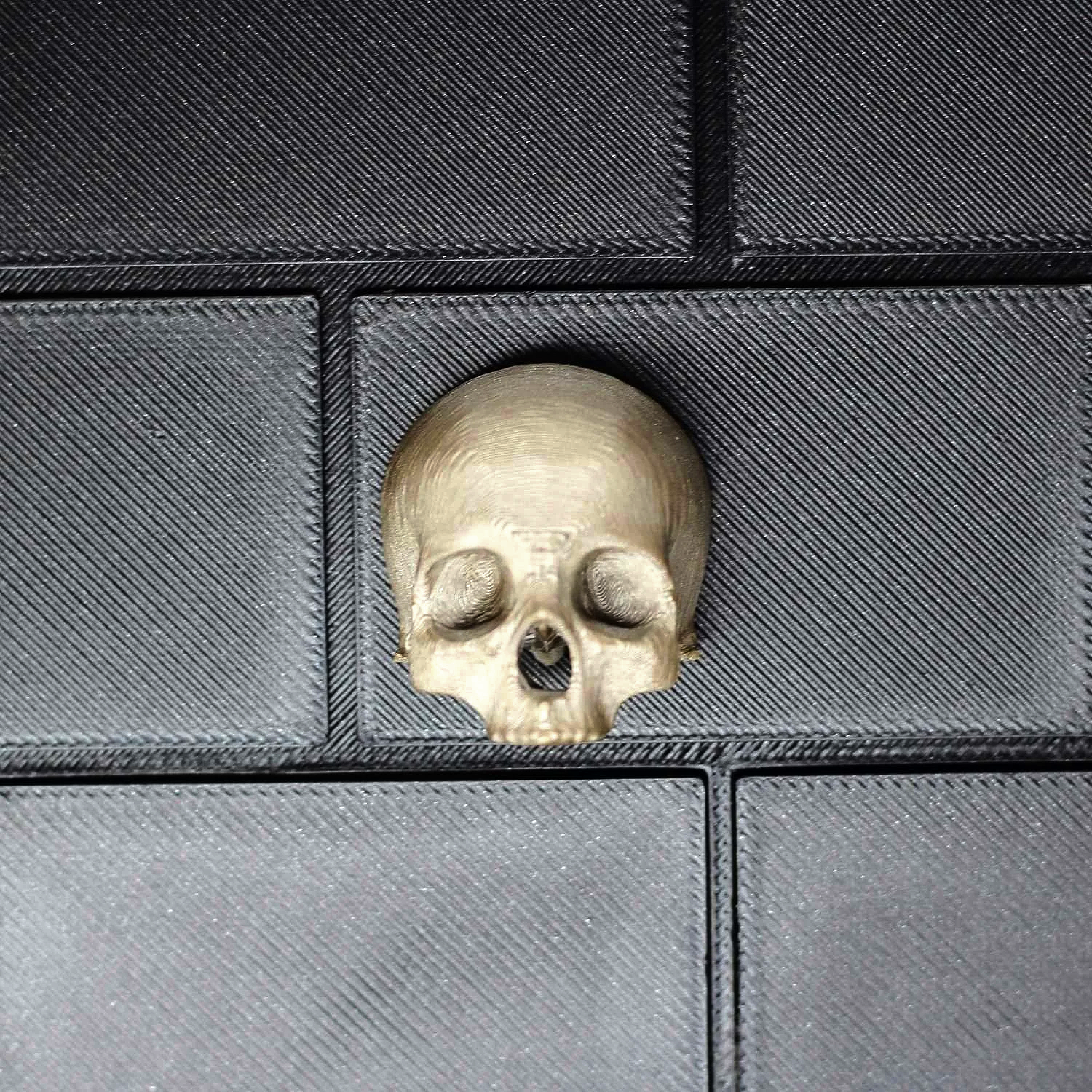
this chap’s made a grave error
Marc recently told me the story of the Chess Castle. “I studied economics in Lyon for 5 years with a specialization in quantitative economics and business strategy. Then I came to Paris in 2012, working first in IT consulting then in Management/Strategy consulting for 10+ years in big firms like Kurt Salmon Associates or KPMG. After years of consulting I wanted to find something new and create my own business. To get additional details, please check the “About” section on my website : https://archimaze-puzzle.com/en/pages/a-propos
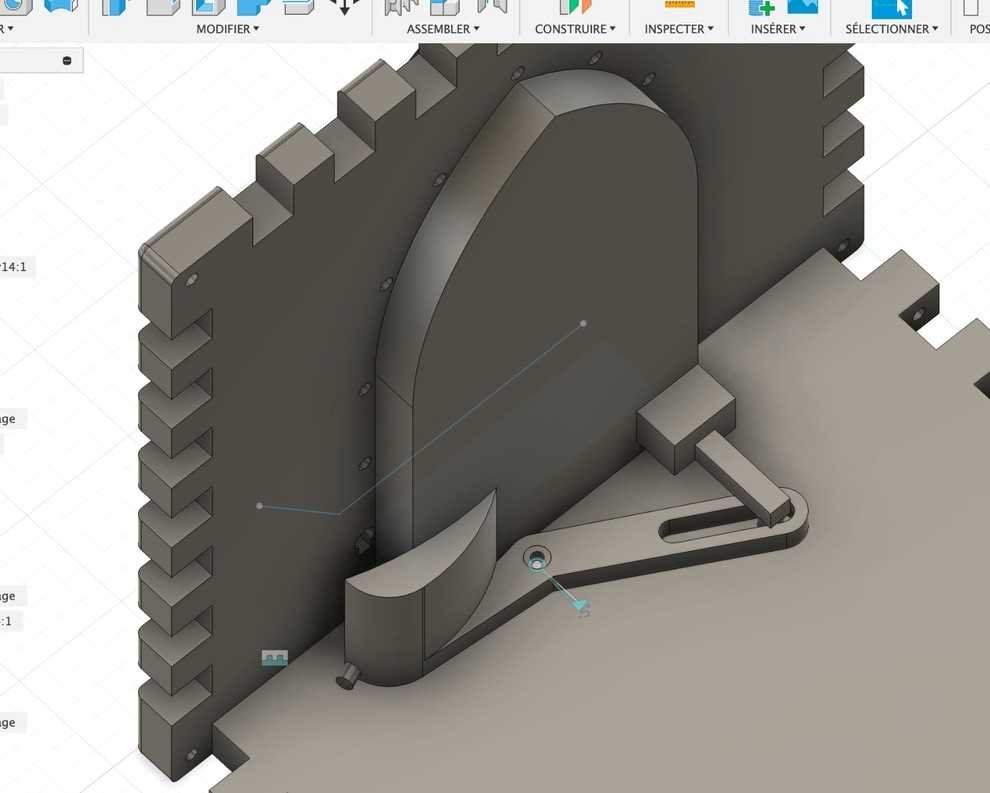
courtesy of Marc Duran
I’ve always been interested in brainteasers and mechanical devices. Playing Lego Technic for years but my very first step into this world was through video games: Zork Grand Inquisitor (1997), Fable (1996) and Myst III (2001). At that time, there was no online solutions so the only way to get to the end of these puzzle-games was to struggle for weeks or month until you find the solution and then find another puzzle even harder and taking pages of notes to decipher everything… games were really hard at that time. But the harder the puzzle, the better the feeling of reward.
Strategy games too were important like obviously chess or video games like Heroes of Might and Magic, Age of Empires, Cossacks, etc. I discovered puzzle boxes later in my 20’s through youtube (Mr Puzzle, Chris Ramsay mainly).
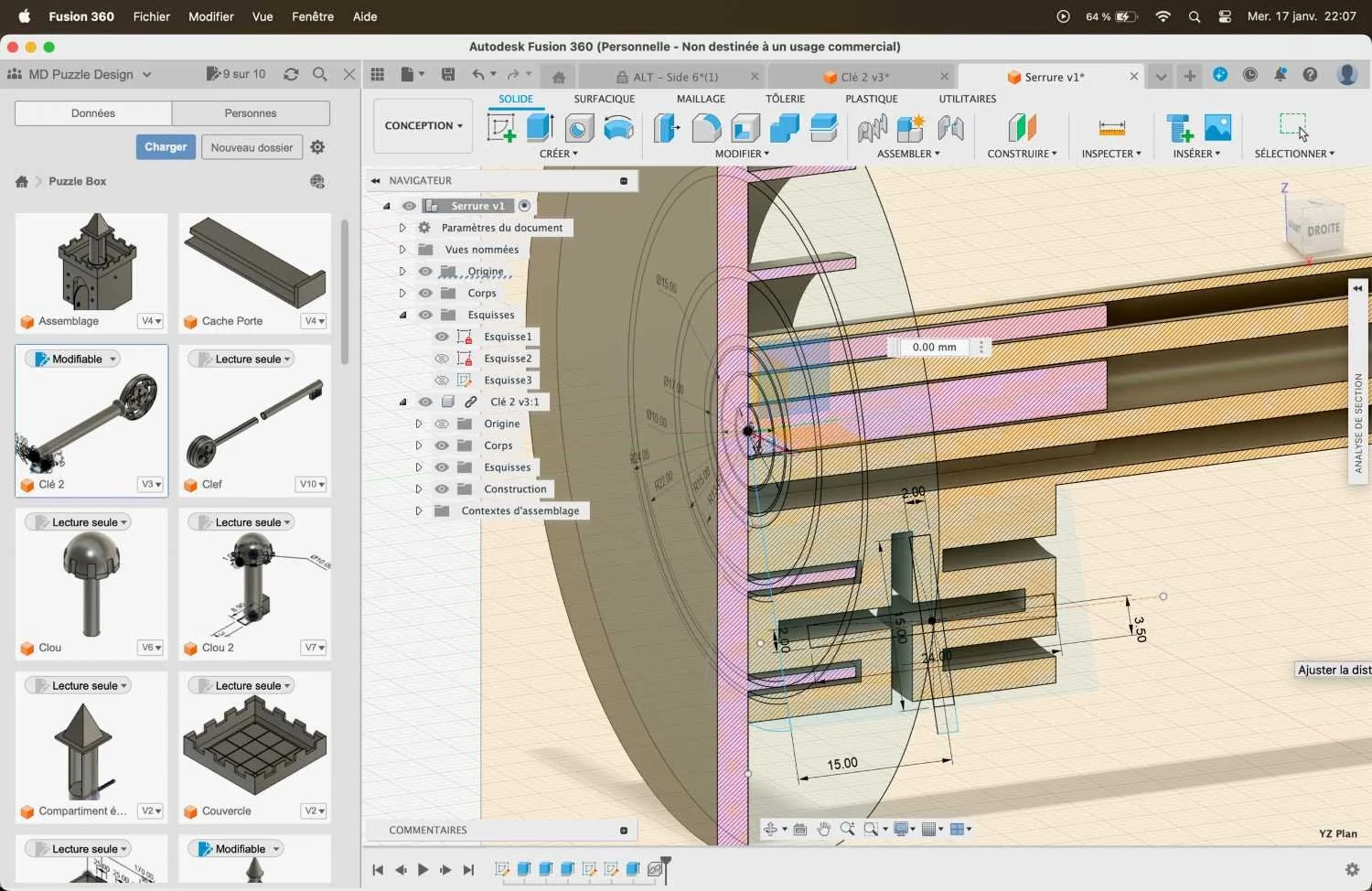
courtesy of Marc Duran
And in my 30’s I've been really invested in real life experiences like escape rooms (56 rooms played) and treasure hunts like The Golden Own (https://en.wikipedia.org/wiki/On_the_Trail_of_the_Golden_Owl) and these days Exkalibur with my best friend (https://unsolvedhunts.com/pages/exkalibur) of course we have not find the treasure yet, but we work hard for it ;) All this to say that I have that into my blood since a very young age.
Then a coincidence started everything: I bought a new macbook pro to replace my old one. Ok.. so what ? I felt like having now the tech capacity to discover something new and so I searched for a new activity. I though about learning python language and then I remembered I tried once 3D modeling but could not even start the software as my computer was too old…
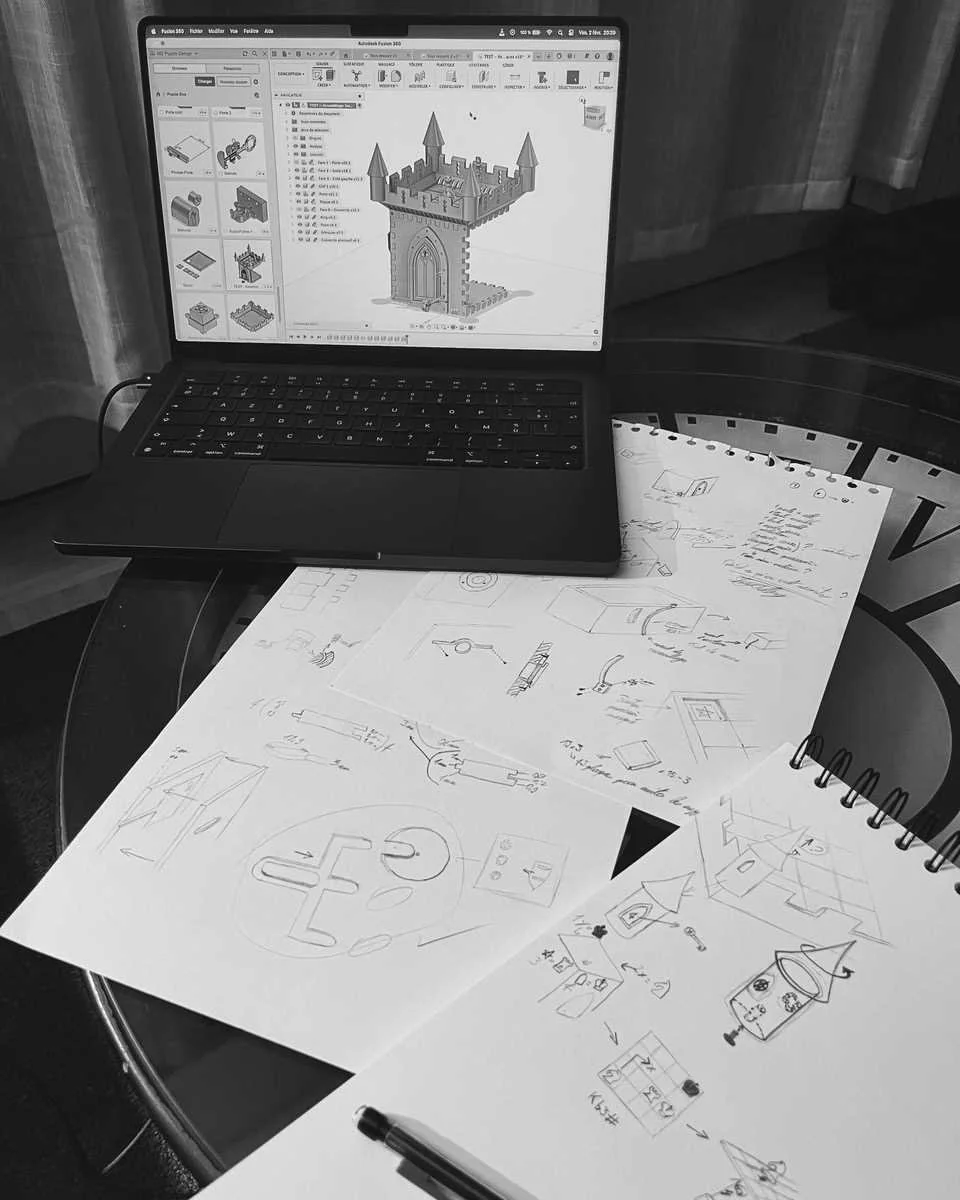
courtesy of Marc Duran
So I told myself, let’s try learning. I’ve always been a self/fast learner, I learned violin alone when I was 16 for instance. It came quite fast and one night, I was practicing and a Chris Ramsay video came out on my screen and there happened the “click”. I told myself I could create a puzzle box which would be really different. So I took a piece of paper, a pencil, and I started to draw my first sketch. It was December 18th 2023. It took some more weeks to realize it was my way out of consulting. Then in February 2024, my friends offered me my first 3D printer and here started the prototyping phase.
I had so much fun designing this that I could not stop working and so I made really a lot of working hours... I was still a consultant so basically 9am to 7pm average I was working as a consultant, taking an hour break and then work on design from 8pm to 4am… The more I get closer to a playable prototype, the more I was excited and my friends started to be interested in this, not understanding completely what I was doing. I published a lot on my private instagram at that time.”
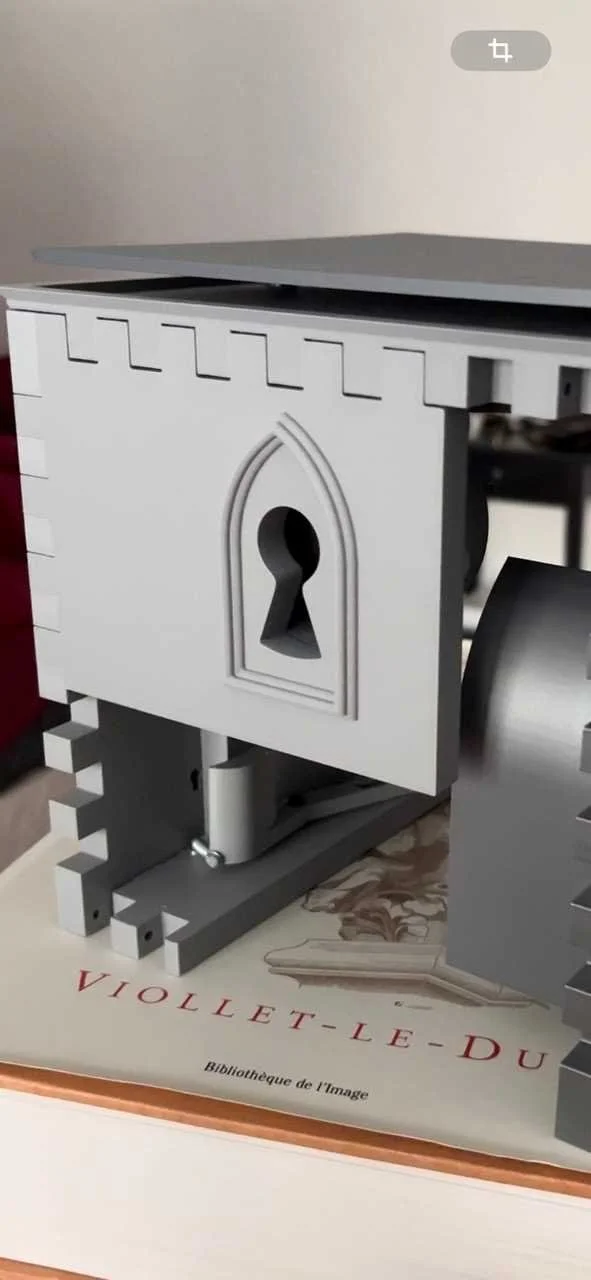
courtesy of Marc Duran
Most new makers now have been influenced at least in part by some of the established pioneering designers in this space. For Marc, “Jesse Born is the very first coming into my mind. He supported me since a very early stage thou and we are in regular contact he and I. When I think about a designer I’m not thinking about material but about engineering I must say. Another one would be Puzzle Potato who manage to gather different technologies and bring new stuff to the game. Finally I’d like to mention PD Puzzle for the quality of craftsmanship.”
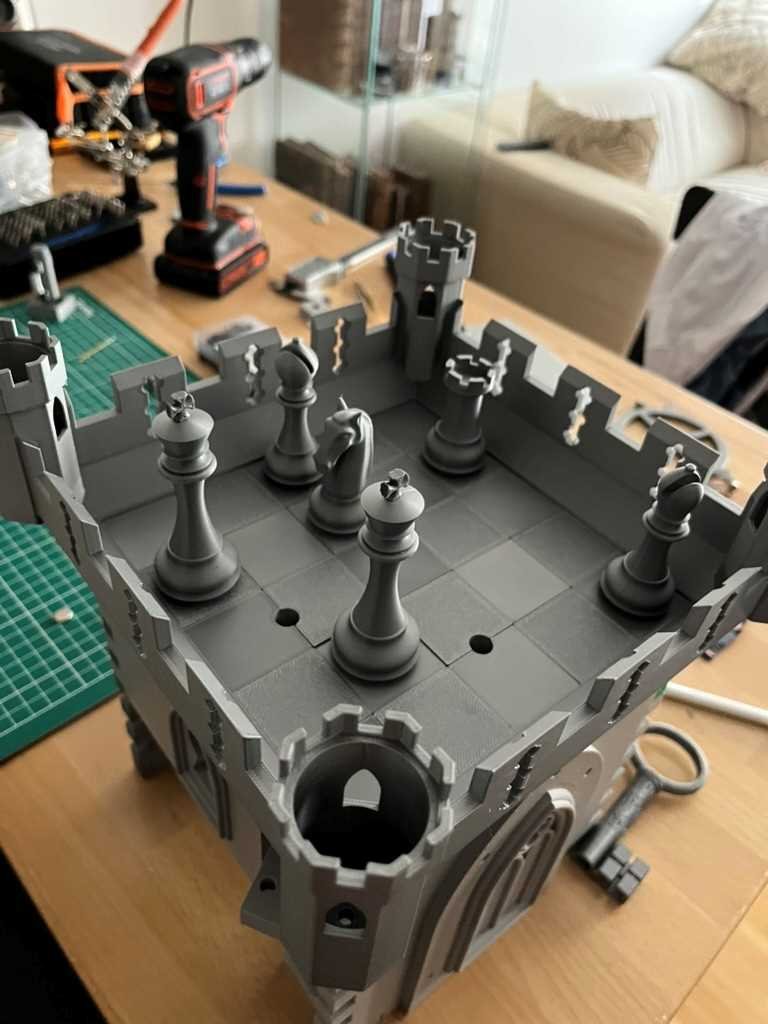
courtesy of Marc Duran
Every great puzzle started as an idea, which may have only been the seed of what was to come. “So I started with the idea of a cube-shaped box. Something that Batman’s Sphynx could have design with a big question mark on it. A bit gimmicky thinking about it now. Thinking and thinking again I found that my added value was in another direction: I’m a multi-passionate person: History, Architecture, Mathematics, Games, Engineering, Graphic Art, Music, Science, Horses, etc.. So I realized that I should create a mix of the things I like the most:
- History with a specific taste for middle age
- Games with Chess as also a blink to my late father who taught me when I was 7
- Architecture, linked to history I was thinking of a church or a castle but for sure gothic style
One of Labsterium’s boxes was inspiring me for the Chessboard: I told myself that it would really be fantastic to create something even better but in a far lower range of price (that box was I think $20K) and fully mechanical (that box was electric).
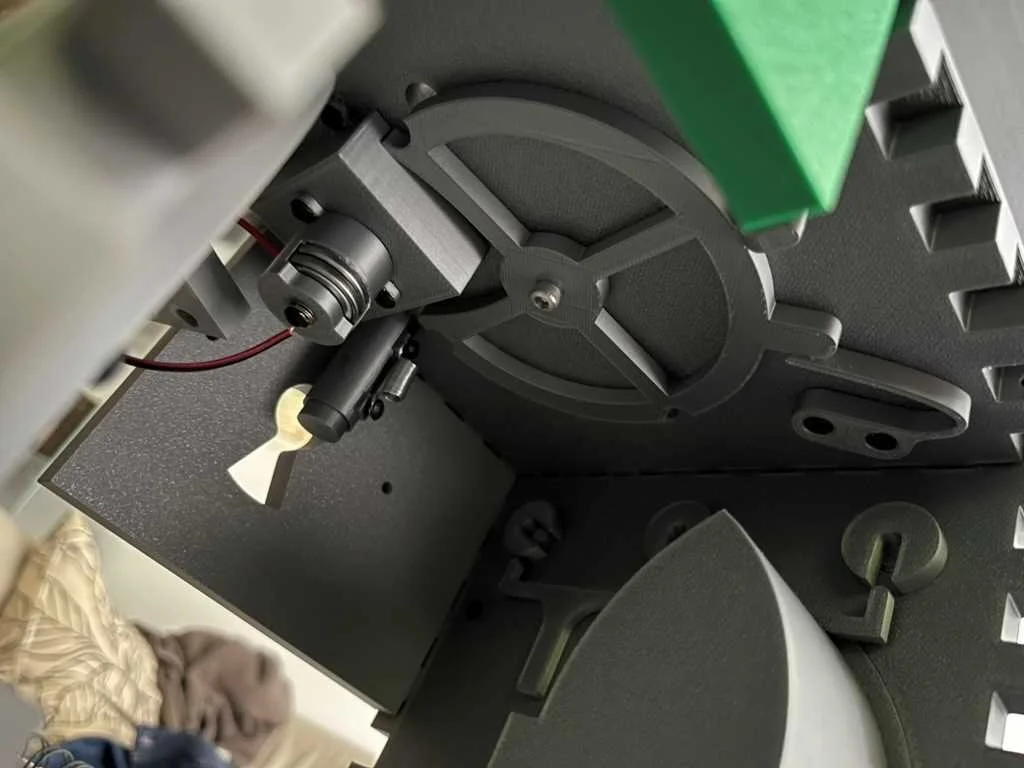
courtesy of Marc Duran
For the talking chess pieces, I realized after that I might have been inspired by a French comic book named “Un monde en pièces” (A world in pieces) which is some kind of political thriller based in the world of Chess: Knights are policemen, Bishops are rebels they don’t want to “walk straight”, Rooks are politicians etc. A fantastic work ! https://un-monde-en-pieces.com/presse/”
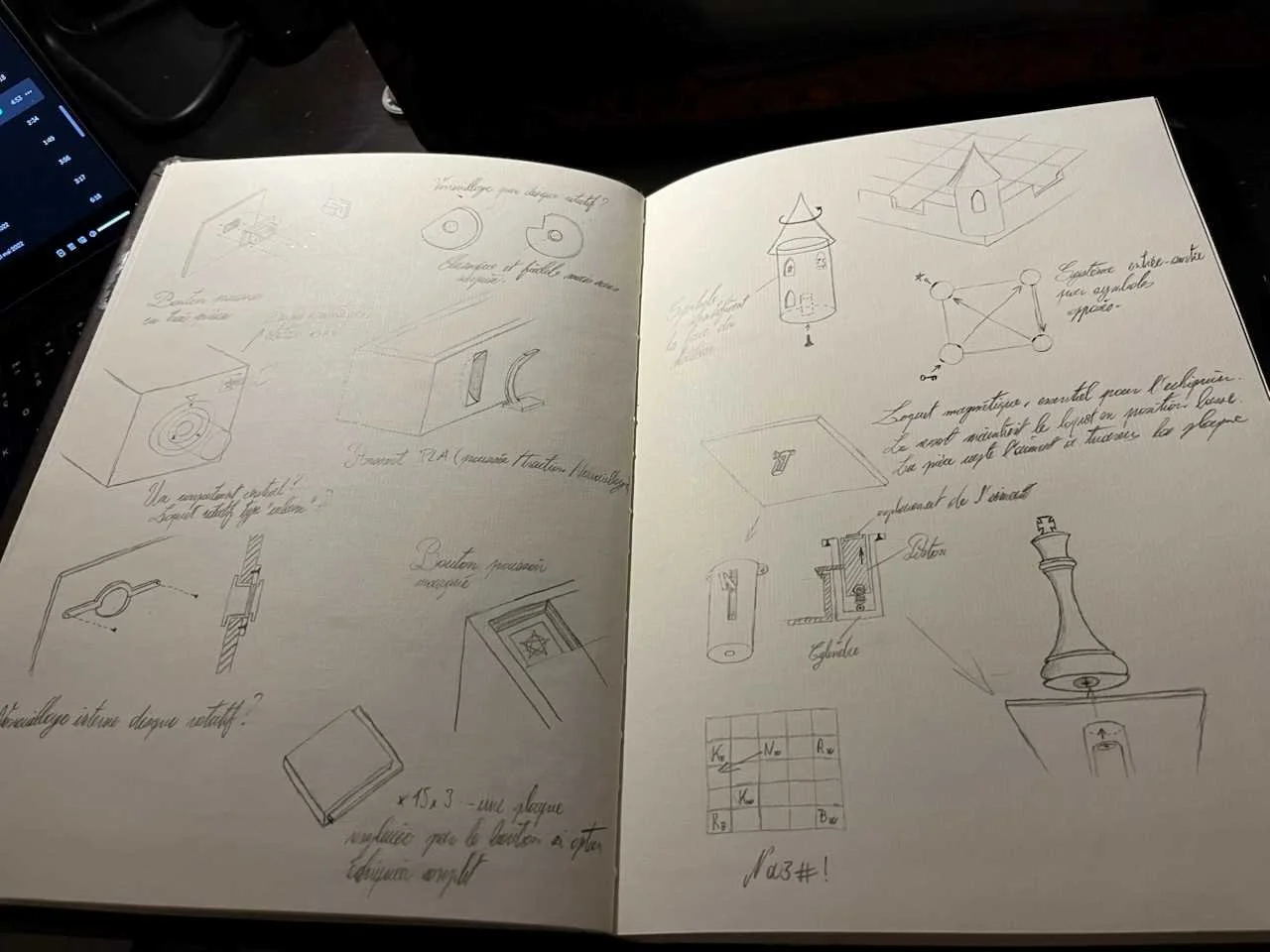
courtesy of Marc Duran
Projects large and small almost always face challenges, setbacks, or learning curves. “The most complicated part was to fit the mechanisms into a very small space. I designed the Chess Castle somehow one side after another, with very precise ideas for the key elements like chess board on the top for instance or the main door. So each innovation was: thinking about how to make sure it would fit and still be able to perform correctly with the other parts of the box. Because of course, all the sides are connected. This was a bit of a challenge but it is one of the most fun parts of my work. Finding the right solution, it is somehow my own puzzling part for this box.
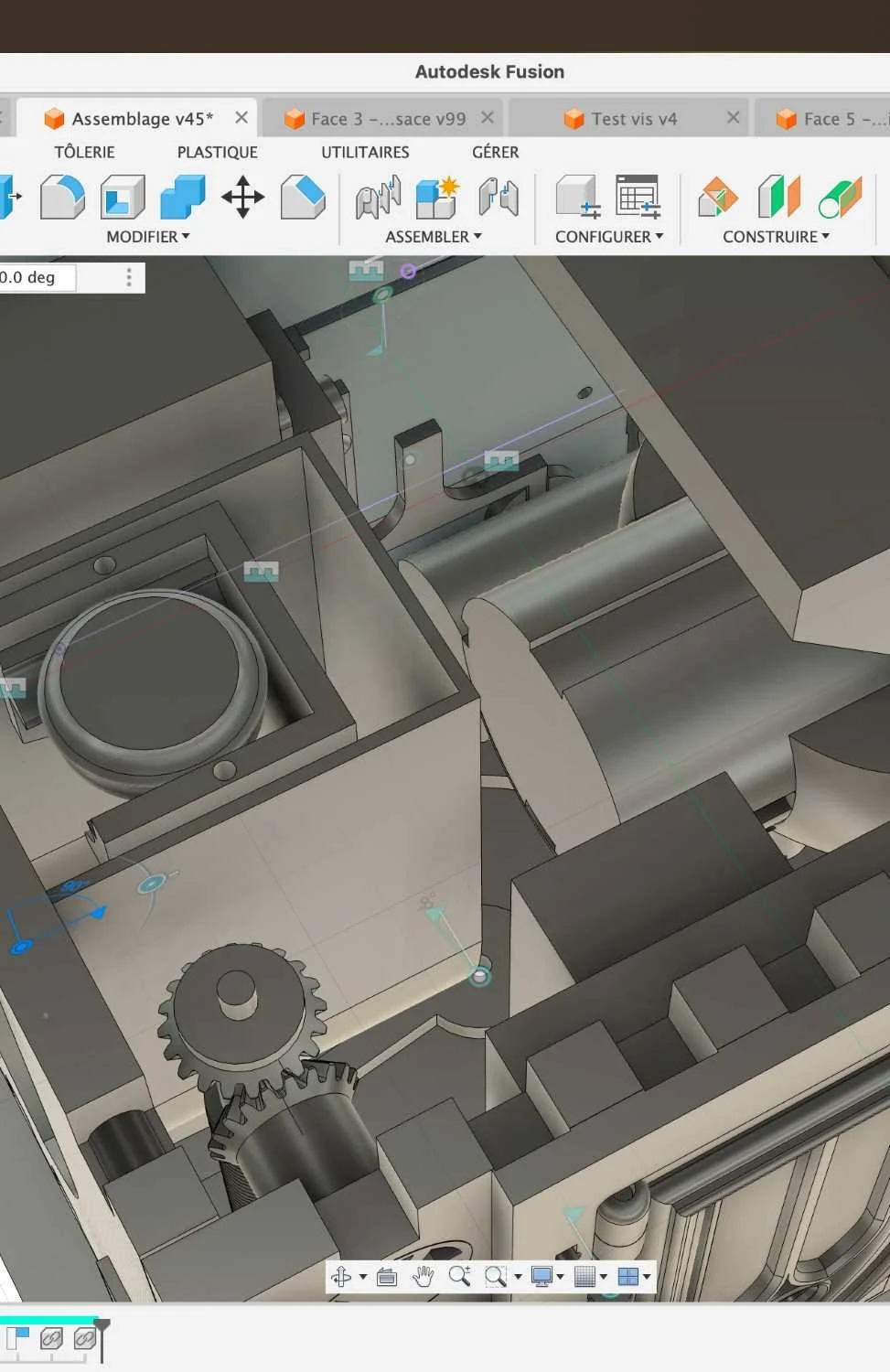
courtesy of Marc Duran
Another thing was to know the material. Basically, it’s possible to create gears, springs etc with 3D printing. But to go further and manage to get complex mechanisms demands to know the material. So I made a lot of testings with concepts. Game design by itself is a challenge: making sure there is no bug, no possibility for the player to find anything by accident and lead him from point A to point B with only one possible way is quite a tough work and demands to be very accurate.
The experience must be balanced and difficult enough. This is why testings are important, because it brings you back to the players feelings, and this is what you forgot with designing time. For production, all the part are different, and there are a lot of constraints. I used AI for prod timing optimization and it did the math quite well. I re-made some mechanisms multiple times to achieve the result I wanted in order to make sure it would be great for players. Actually, nearly all the first elements I printed were not in the final version of the Chess Castle. The roof also changed a lot.”
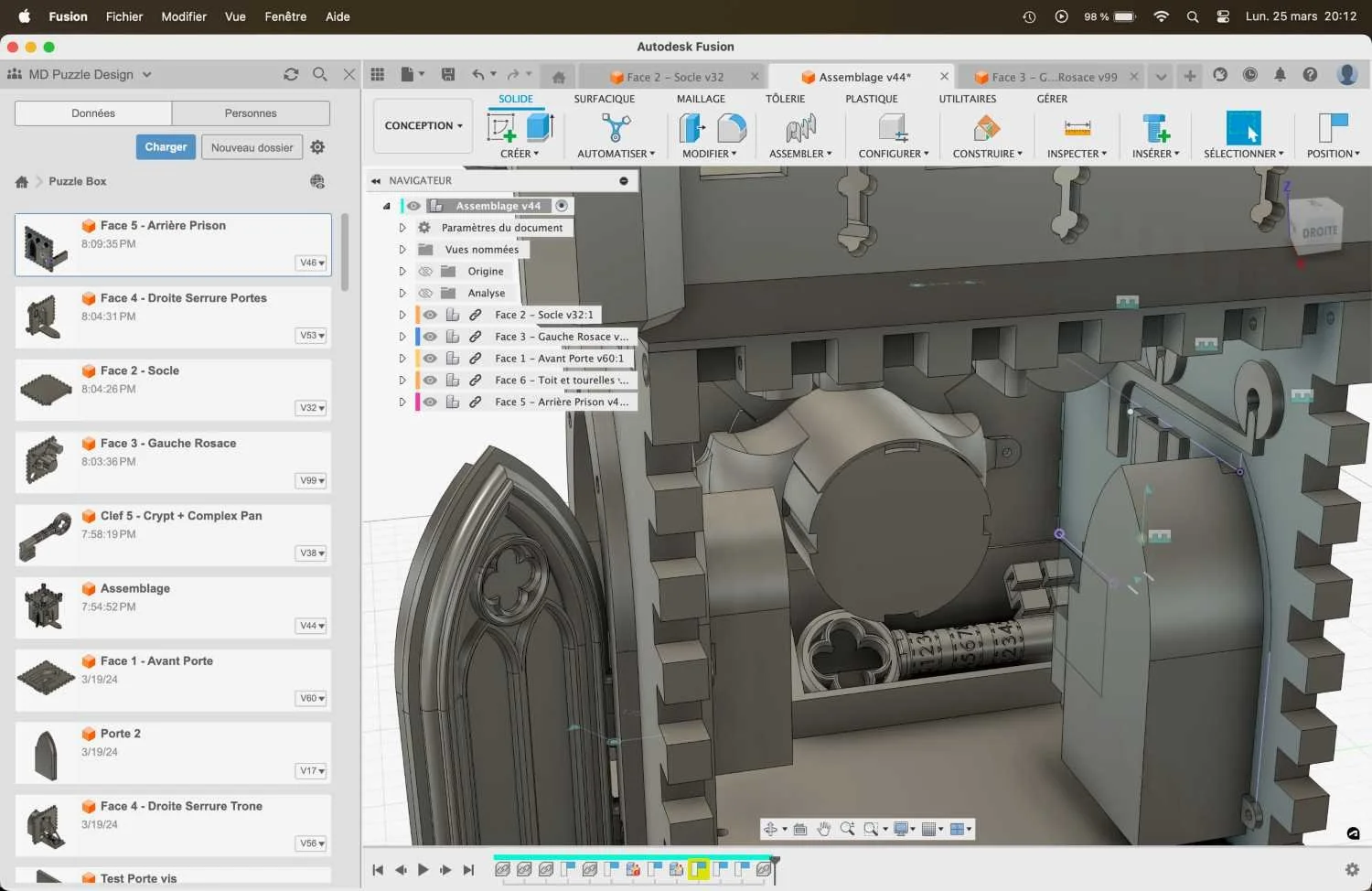
courtesy of Marc Duran
3D printing has come a long way in a short time, and has allowed creators like Marc to bring their incredible ideas to life in ways that would not have happened if advanced wood or metal working skills had been required, and in fact has allowed mechanical design ideas which would be impossible to create in wood to become reality. Chess Castle is mainly 3D printed but also requires “a lot of manual assembly with different types of screws, sprints, magnets, tools, etc. The design itself starts with an idea converted into a sketch. Then, with basic drawing I imagine the mechanism, and the way to connect it to the solving sequence. If I’m convinced enough that it will work, I start 3D modeling, print it and add it to the prototype. At the very end, the box is completed only for the mechanical part so here starts one of the key elements: decoration. It allows to hide what needs to be invisible or hidden and brings flavour to the puzzlebox.

courtesy of Marc Duran
I know that some people do not like 3D print, but my intention from the beginning is clear: I wish to use this technology in the best way possible, like no one did before, and so far everyone told me they have never seen such a puzzle. Even Mr.Puzzle and Chris Ramsay said it was one of the best if not the best 3D printed puzzle they ever solved. So my goal for Archimaze Puzzle is to keep going this way, selling high level engineering and great experience in puzzle boxes, like a Myst video games or a real life escape room. I’m not interested in making $40.000 puzzle boxes in wood or full metal with only one unit for sale. I want to create a high level experience that a lot of people can afford.
Finally it’s the riddles composition. Let’s say I have a mechanism that needs to be unlock with a 4 digit combination, here starts cryptography in order to find a smart way to hide a code somewhere that may need, depending on the solving sequence or the level of difficulty, one two or three steps to be solved.
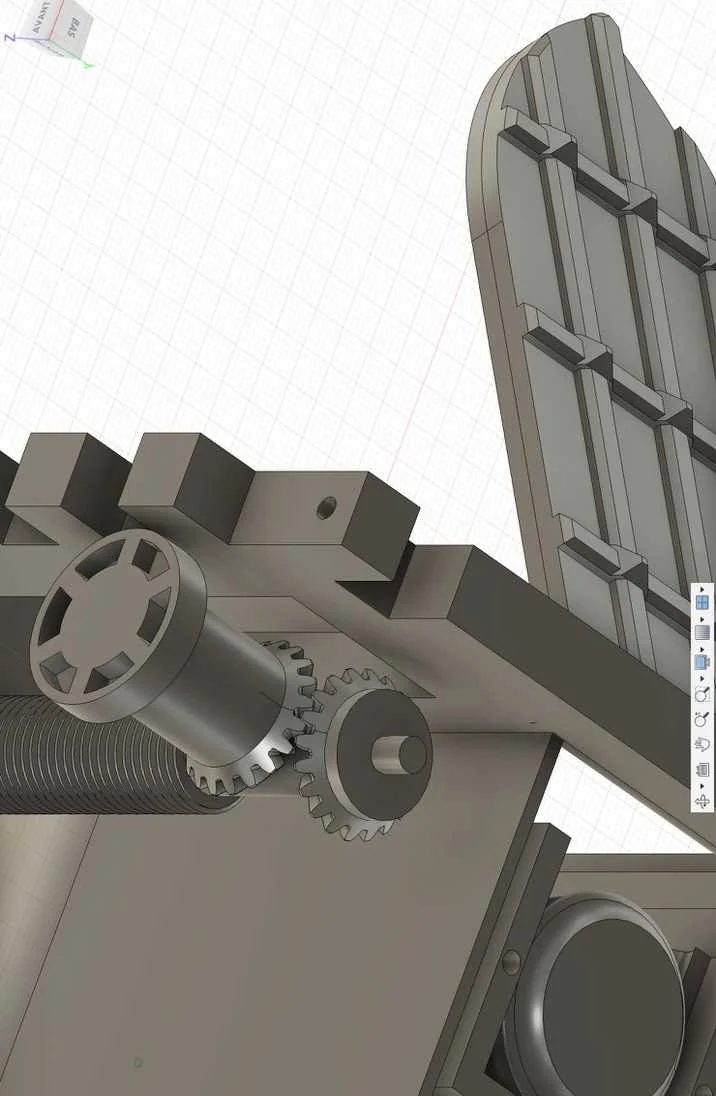
courtesy of Marc Duran
Once the whole puzzle is set, I assemble the full prototype and test it, this is what I call the “Box 0”. When everything is ok, I print a test box which will allow me to set the production plan and at the same time have a second box for the testers. The tests ends when there are no bugs or breaking elements or improvement to be added to the box.” Marc relates how his initial testers thought they were receiving something like a Rubik’s Cube, so were in for a big surprise, and were so captivated they wouldn’t even listen to his instructions. He had to keep the puzzle hidden the next time until after he had explained things. One of his favorite stories during this phase is how addictive the puzzle became for the players. At one point during a group solve, they discovered a key. They asked if they should take a break or keep going, and Marc assured them that if they used the key they would be too excited to stop. One player commented “Dude, that was the fastest cigarette in my entire life !!!”. The group were completely shocked they had played through for three hours without noticing the time.
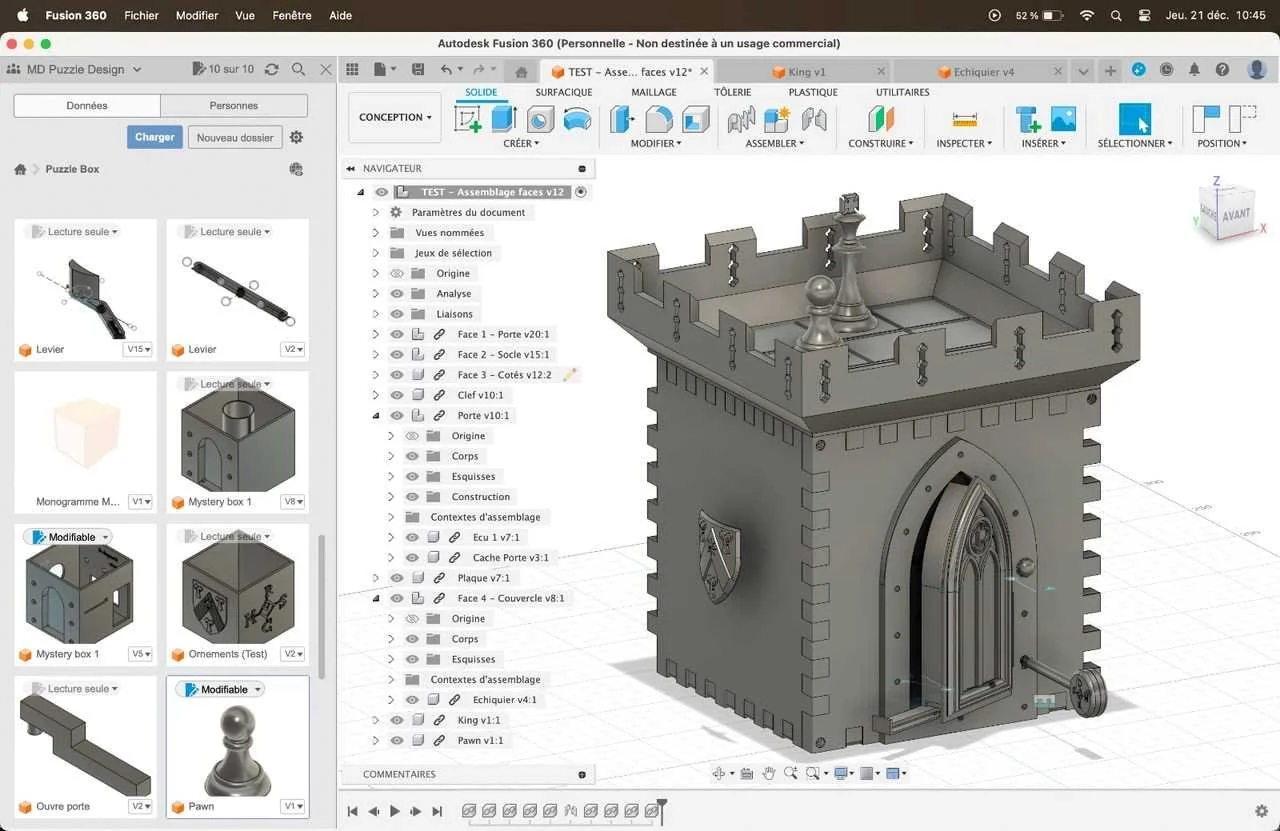
courtesy of Marc Duran
Chess Castle is an incredible achievement in design, form and function. It is also a fantastic immersive puzzle adventure full of surprises and delights. Marc does not waste a single opportunity to elevate the experience with each new discovery, bringing automation, movement, mystery and magic to life during the journey. He has also added intricately detailed design elements which look gorgeous and make the experience even more special. Like the best escape rooms, designed and run by seasoned veterans, he oversees your adventure throughout, keeping an eye on your progress and providing built-in guidance along the way. All you need to do is look and listen …
“The whole project was something new so I learned a lot, getting better and better along the process. I actually re-designed the first parts of the box months later because I thought it was not “pro” enough. And actually that’s the main thing I learned: becoming a professional puzzlebox designer. And it’s quite tough.”
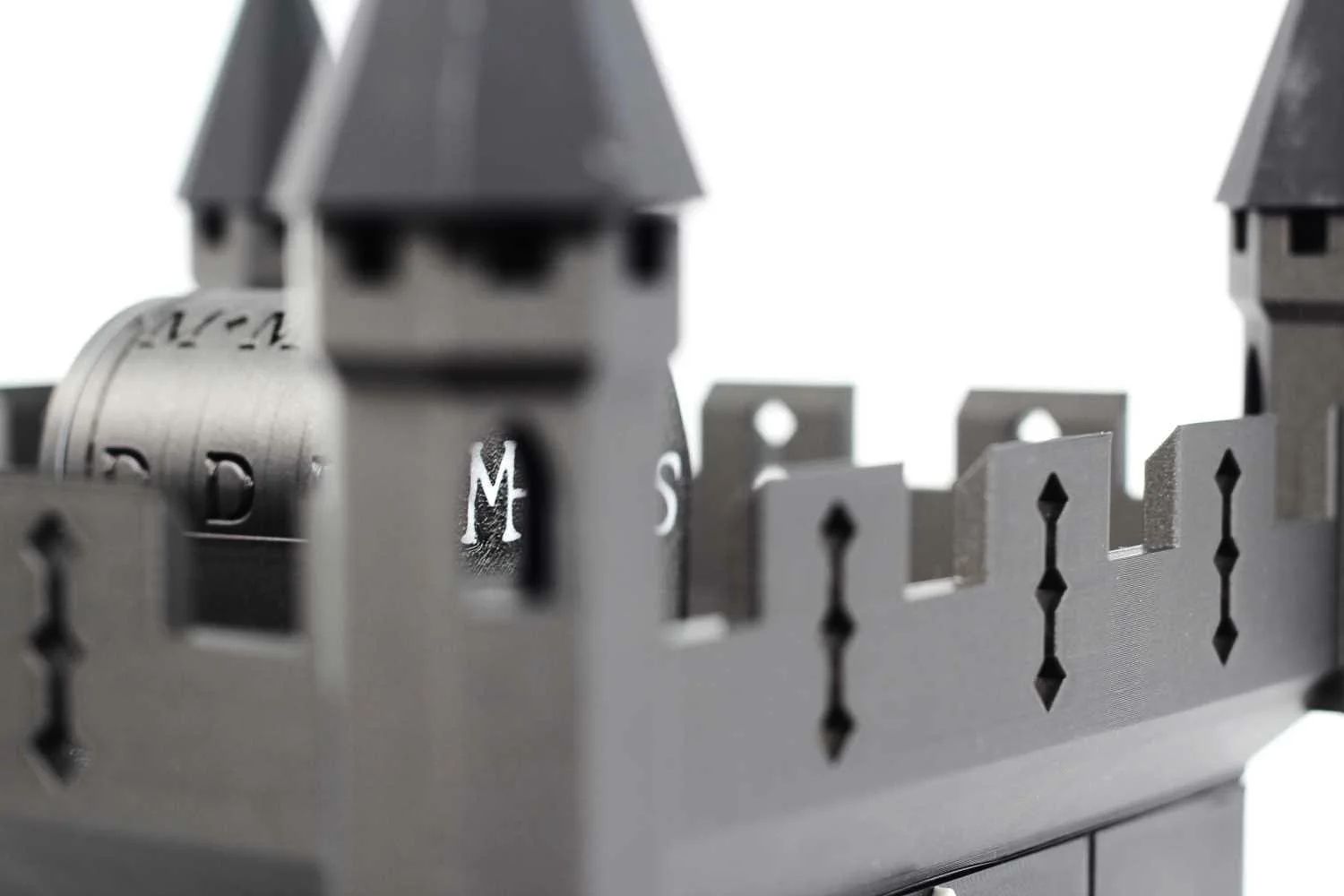
castles in the air
Marc had so many ideas, and cycled through them to find what fit and worked best for the Chess Castle, that he ended up with over 5 pages of design ideas which did not go into this puzzle, which is good news since “of course these elements will be useful for future boxes. Either too complicated to build, of not fitting the box, or just left because another solution was more adapted to this specific puzzle. For instance, the most complex mechanisms somehow are doors. It’s quite easy to make something pop-out from the box, with a spring for instance and a simple locking mechanism. But a door either with hinges or sliding door is quite complicated. I had multiple ideas of door locking mechanisms or hidden opening mechanisms but could not use them as the main door has a lot of technical constraints in the Chess Castle. There is a lot happening behind this door.
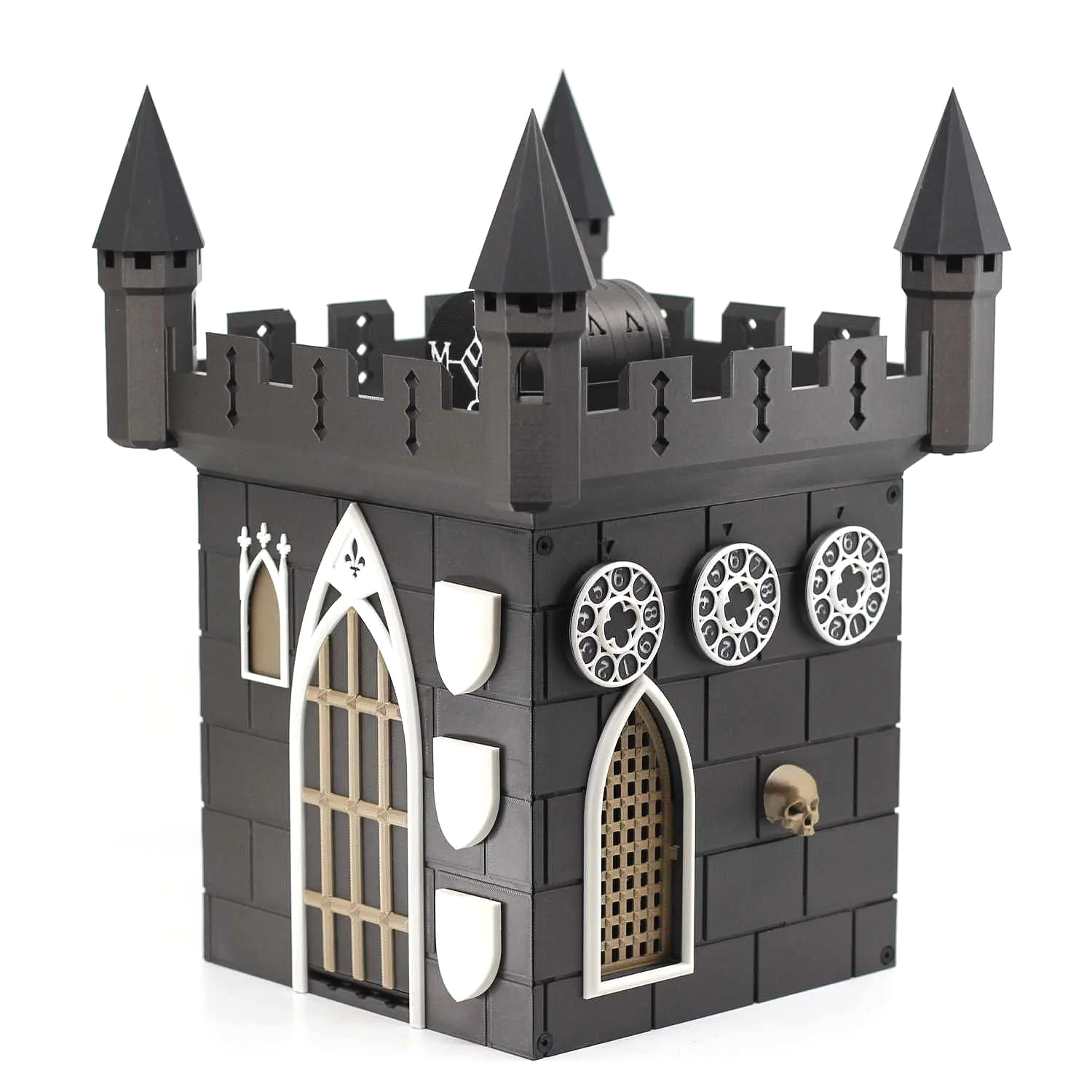
become King of the castling
So of course my next design will have use for all these ideas and also new stuff. I can’t tell you now what it is, but I guarantee you that no-one did it and it will be very innovative. I can tell you that I have the name for this second puzzle-box, but it is a bit too soon to reveal it ;). I think us designers we all have a different vision of our creation and our activity. I would like to say to people who want to create puzzle boxes: It’s hard, it’s really hard, but it’s a fantastic job! You need to be a game designer + an engineer + a graphist + a maker + a business owner, etc. but it’s a fantastic job.”

Memory Palace
Each toast I offer in celebration of these incredible creations is a heartfelt offer of thanks, to the designers and crafters of such amazing experiences. Marc Duran spent years bringing his castle to life, and deserves a special toast. I have made various castle and chess themed cocktails over the years, and perhaps have exhausted the best existing ones already. Therefore I created something new this time, from an idea I have had infusing, so to speak, in the back of my mind, waiting for the right opportunity. I’ve had the name of this drink all along, and the basic components, which inform the name, but now I’ve appropriated the drink for this castle, and worked out the details.

if memory serves
The health benefits of certain anti-inflammatory and anti-oxidant rich foods is well studied. Certain diets, and specific foods, are also linked to brain health and improvements in cognitive function. Polyphenol-rich foods such as walnuts and green tea appear particularly beneficial to brain health. On the other hand, alcohol is definitely no good for health at all. So a cocktail that features green tea and walnuts should balance things out, right? One might go so far to say such a cocktail could improve one’s actual chess game, but no one might believe that. At least it’s delicious! It also looks just like a cup of tea, so no one will be the wiser … except, you! Cheers.
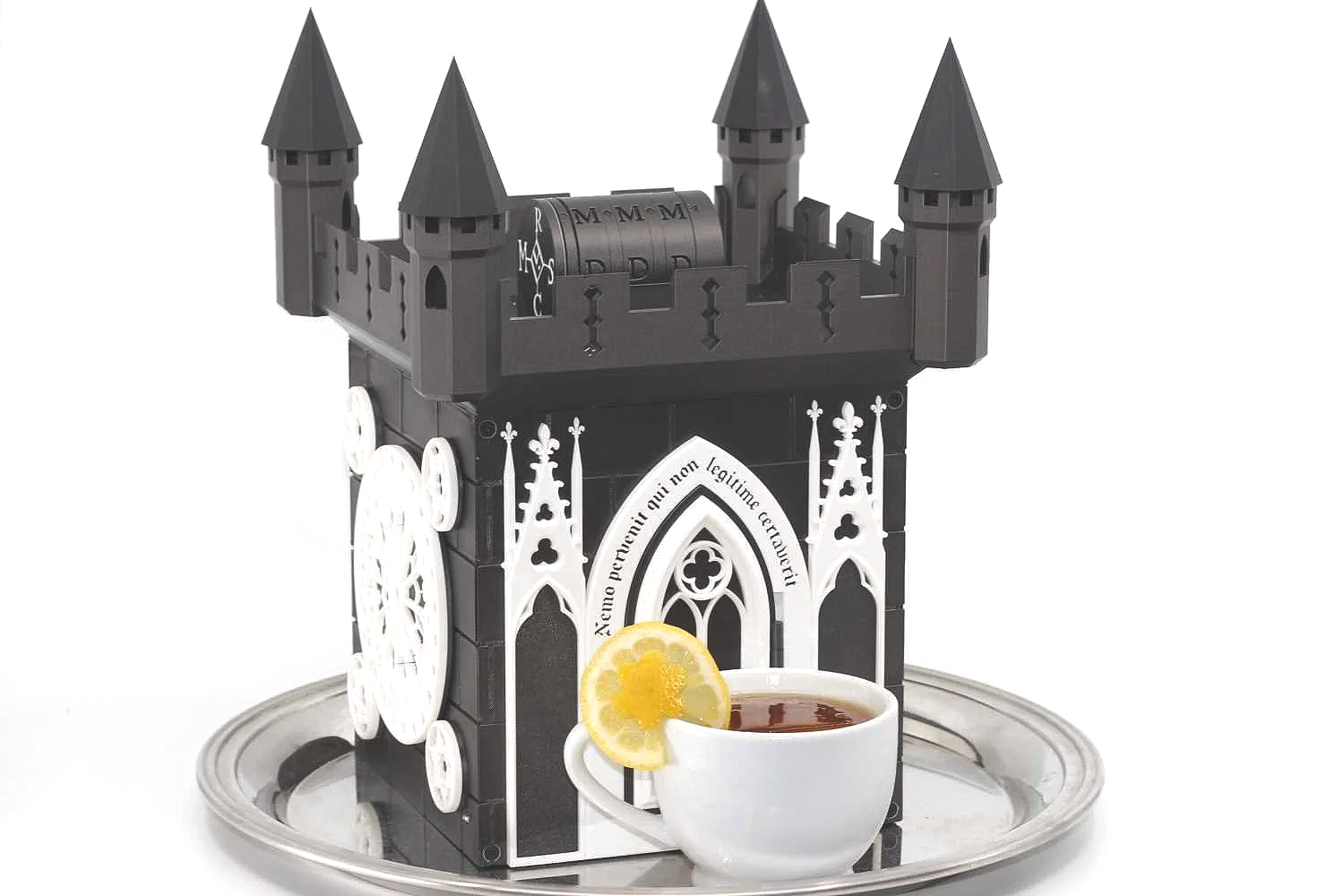
this castle is memorable
Memory Palace
¾ oz green tea infused gin
¾ oz Genepy le Chamois
¾ oz lemon
½ oz nocino (walnut liqueuer)
¼ oz simple syrup
Shake ingredients with ice and strain into a tea cup. Lemon wedge.
explore more: