
Plug and Play
SQ-d and the Shadow Virus
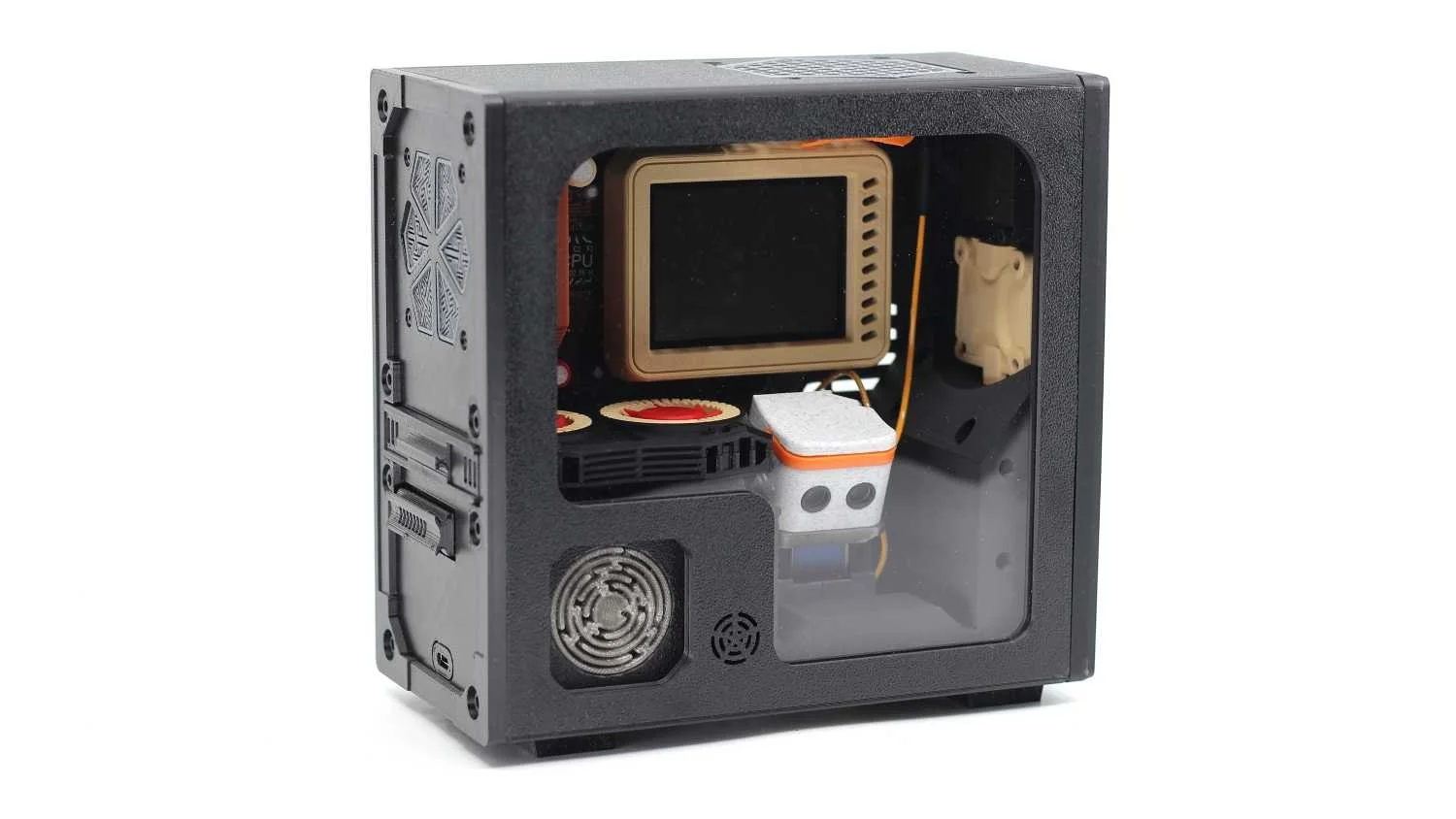
SQ_d and the Shadow Virus by Jesse Born
The computer virus has been a modern day headache since, well, the computer. “Personal” computers made their debut in the early 1970’s, and around the same time programmers began to experiment with ways to wreak havoc. Most sources point to a 1966 article by Hungarian mathematician John von Neumann which theorized on self-reproducing automata. In 1971, Bob Thomas created “Creeper”, a program to test the theory, and the computer virus was … Born.
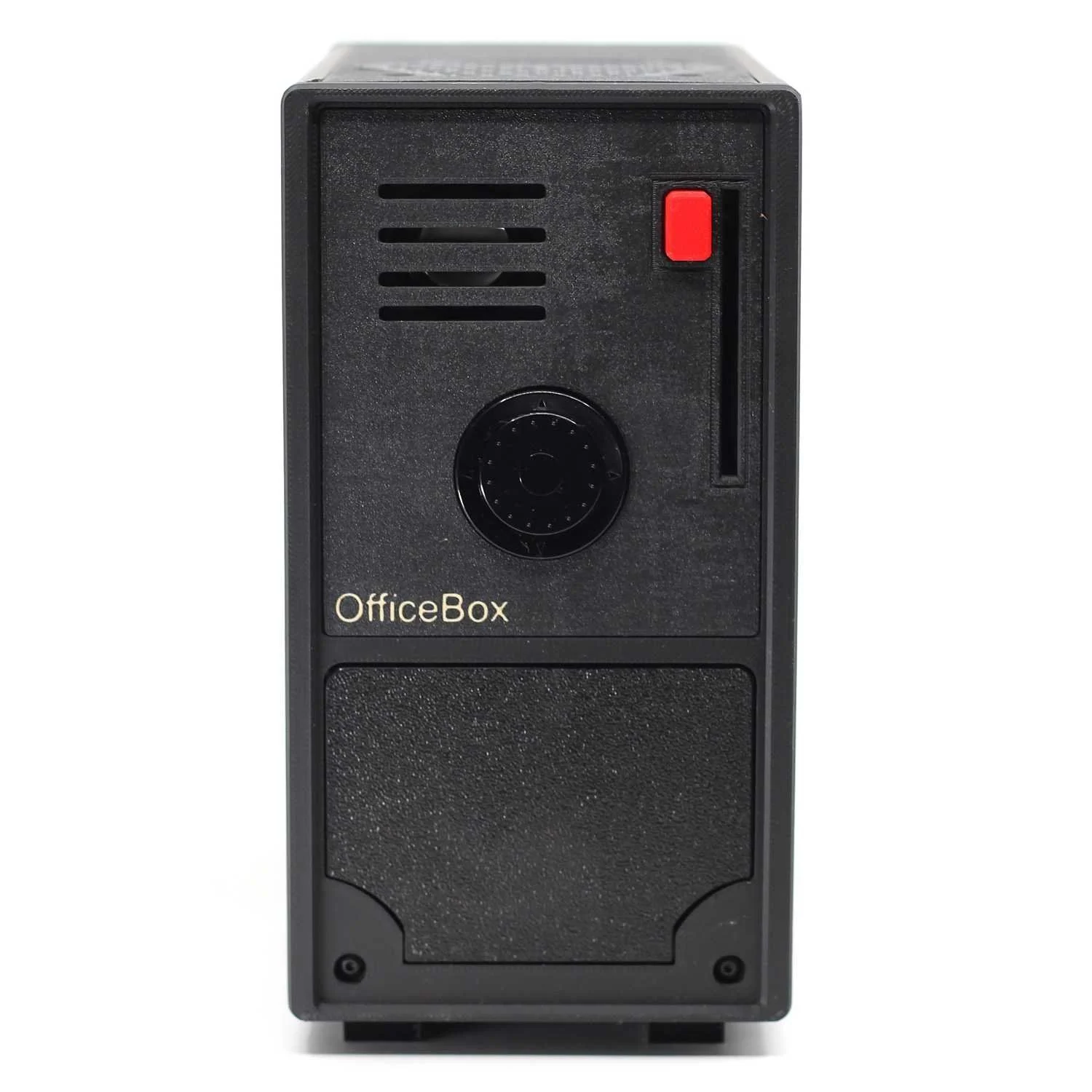
It’s no Box Office Floppy
Jesse Born is one of the most innovative puzzle designers working today. Since he began making boxes, he has been seeking ways to make them more interesting, more aesthetic, more unique and more immersive. He has sought out various partnerships to bring mixed media, such a metalwork, or advanced 3D printing techniques, into his designs. For his current project he worked with his long-time partners Josh Gant and Ben Oxenford, and joined forces with Mark Southcott, an electronics and hardware expert, to bring a potentially polarizing puzzle to “reality”.
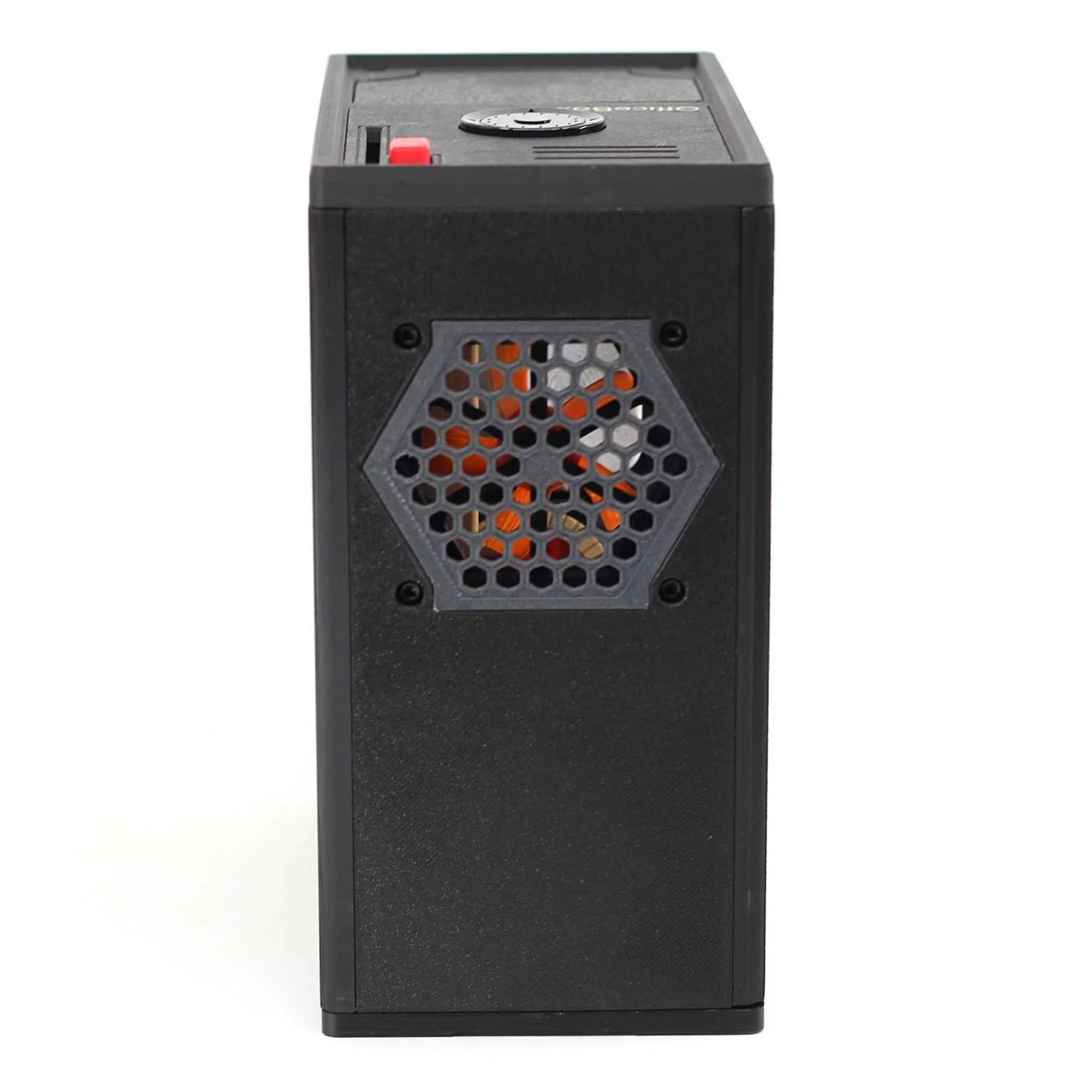
you’re sure to be a fan of this one
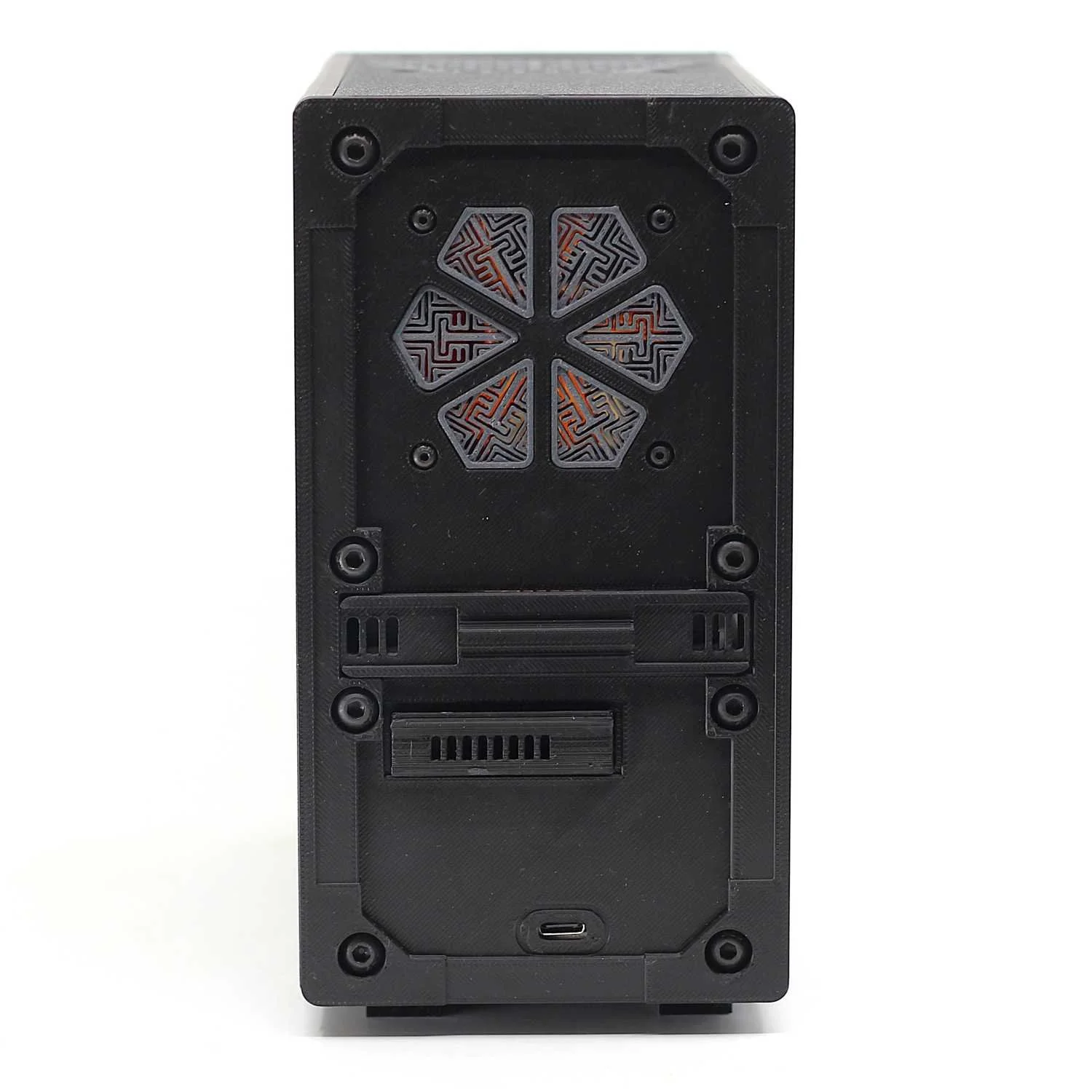
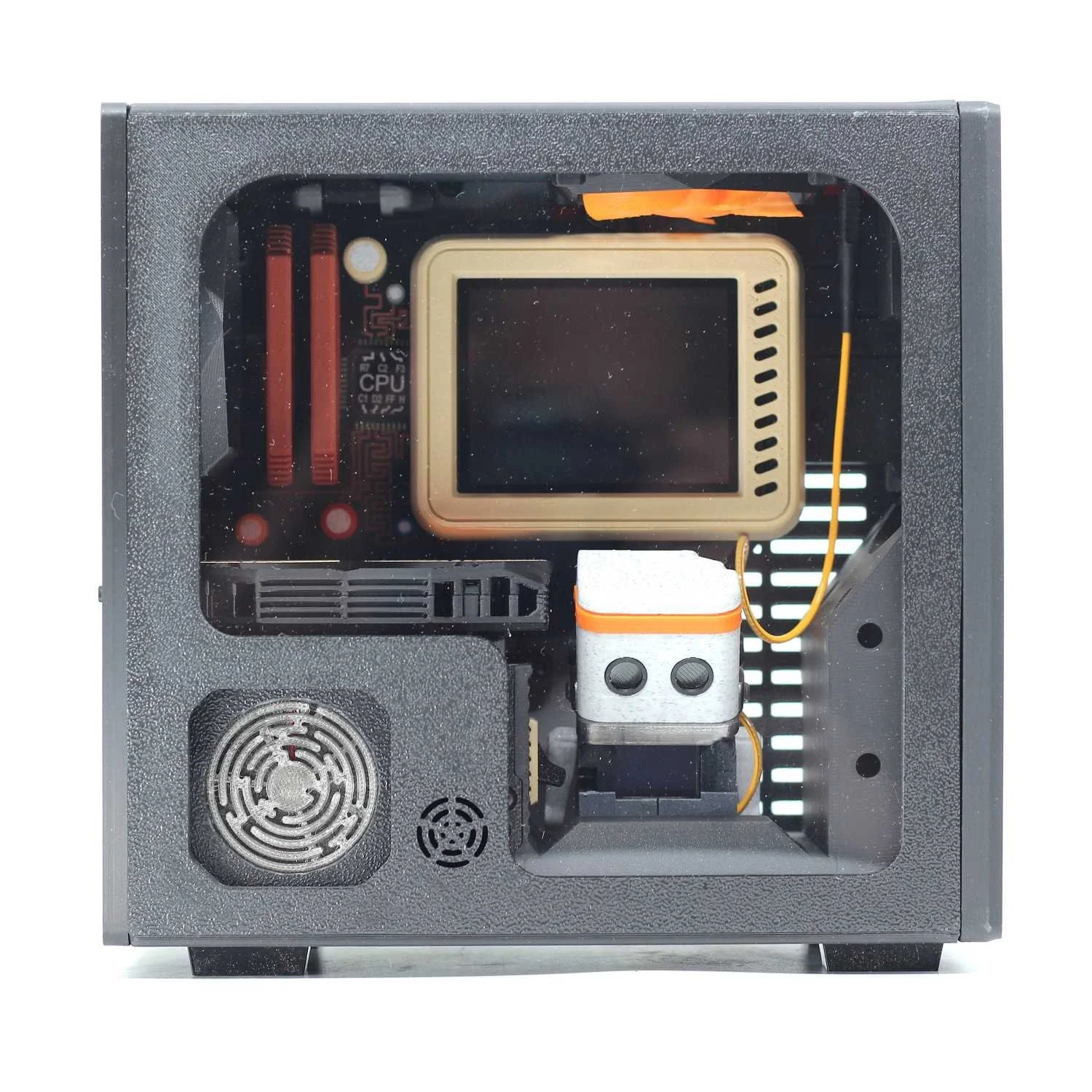
SQ-d and the Shadow Virus is unlike anything I have experienced before. It takes the self-contained escape room puzzle box idea to a new level. It feels like a computer game, but one that is physical, animated and interactive in a perfect blend of story and discovery. The interface has a distinctive and intentionally retro feel that sends you back to the dawn of personal computers and games, and invites you to play along with old favorites such as Pong, Lode Runner, and Asteroids, to name a few. As part of the overall immersive experience, you play these games, and can return to them for fun at any time on the little console. But your primary mission is made clear from the start – once you get started, that is. There are a few challenges to navigate before the puzzle truly starts (which is a rather nice trick to pull you into the immersive experience) that may keep you guessing for a while. One puzzle in particular references the well known designers Oskar van Deventer and Kagen Sound in a very novel and satisfying way. Eventually, you embark on a meta SeQuential-discovery puzzle where clues are buried, both physically and virtually, in the computer.
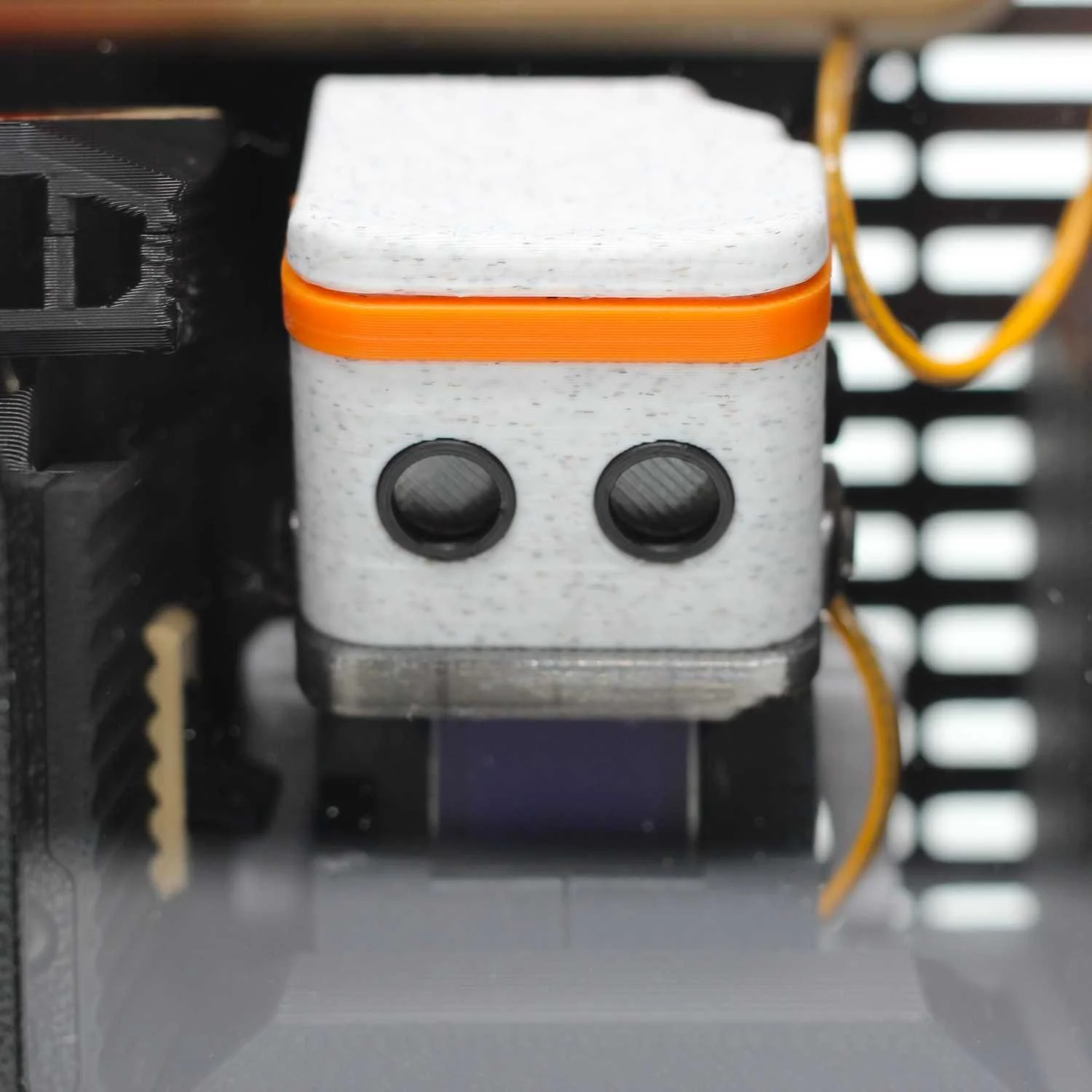
he’s so adorabot
Jesse shared a little about his new concept. “It’s definitely something new and different. Ben [Oxenford] is already in the world of electronic and things, and then we got somebody else local who’s really smart to help out with the electronics and PCB design. It was Josh, Ben, Mark and me all sitting in a room week after week talking about how to bring this concept to life, with the electronics and animations and voice and AI and all that. It took us a long time to nail down what was essential, what we wanted to put into the box, what was feasible.
sorry if I tend to RAMble
But I did come up with a box about five years ago. So it’s been on the backburner for a long time. It’s probably a good thing that we waited this long to make it because so much work went into it and actually AI helped us so much with the programming. I didn’t program it myself but Ben was using Claude code for weeks on end. Just getting the software nailed down. And it was iterating at a crazy pace compared to what would have been feasible a year ago. So that cut our cost dramatically. We’re very happy for the timing of everything. It’s almost all 3D printed and there are a couple of brass components that we make in house. And then there’s all the electronics.” Jesse mentioned that their first iteration of the box had so many wires it was a “big mess” and “looked impossible to make a puzzle that size with all these wires going all over the place”. Many redesigns later, solving one problem at a time, or as Jesse says, “eat the elephant a bite at a time”, and everything looks incredibly polished and professional, as one would expect from a Jesse Born product. “It is by far our most complex assembly process.”
calling all puzzle afficionaDOS
The physical aspect to the experience, the computer case, holds a few clever secrets which must be discovered, like a conventional puzzle box. Tinkering with the box and its internal components blends the game play in a fascinating way that brings the whole experience alive. In fact the box is also animated by the computer in different ways, adding wonder and some great surprises during the immersive journey. The story is well developed, like most Jesse Born team puzzles, and uses the novel format to pit you against a computer villain, as well as to recruit help from a computer friend. Sound effects, music, and lights all amplify the emotions and the experience. If you get stuck, or feel overwhelmed, there is a very cool hint page which is also stylistically themed to match this world the team has created. As might be expected, there is a code breaking challenge, which will feel familiar to fans of prior Jesse Born puzzles. He often embeds a code breaking or riddle solving aspect to his puzzles. This one is computer themed, of course, but Jesse has carefully placed a clue and key system which is embedded deep in the puzzle, in case you are not computer savvy, need help or prefer an alternate way to move forward. There are a few well designed “computer” puzzles to solve, each one unique and surprising in how it incorporates the actual chassis and internals. It also doesn’t hurt that your friend SQ-d is hiding in there, offering to help. In keeping with the theme, you “level up” as you make puzzle progress, and ultimately are given full access to the internal file system, where hidden easter eggs and other amusements await as an additional entertaining reward. The whole experience is extremely impressive and worthy of the Born label. It’s certainly a departure from the traditional puzzle box, but enthusiasts of escape rooms and themed experiences will love it.

Elk’s Clone adapted from Peter Sindar
The eighties were an exciting time for personal computing. If you like cocktails, you might say it was an exciting time for those, as well. Depending on how much you like good cocktails, you might add some air quotes to the word exciting to describe eighties cocktails …. It’s fun to make fun of those artificial, booze heavy, often neon and outrageously named drinks, but they were fun! I thought about making an eighties era cocktail for this toast but a computer virus messed with the program.

make one, then make another one …
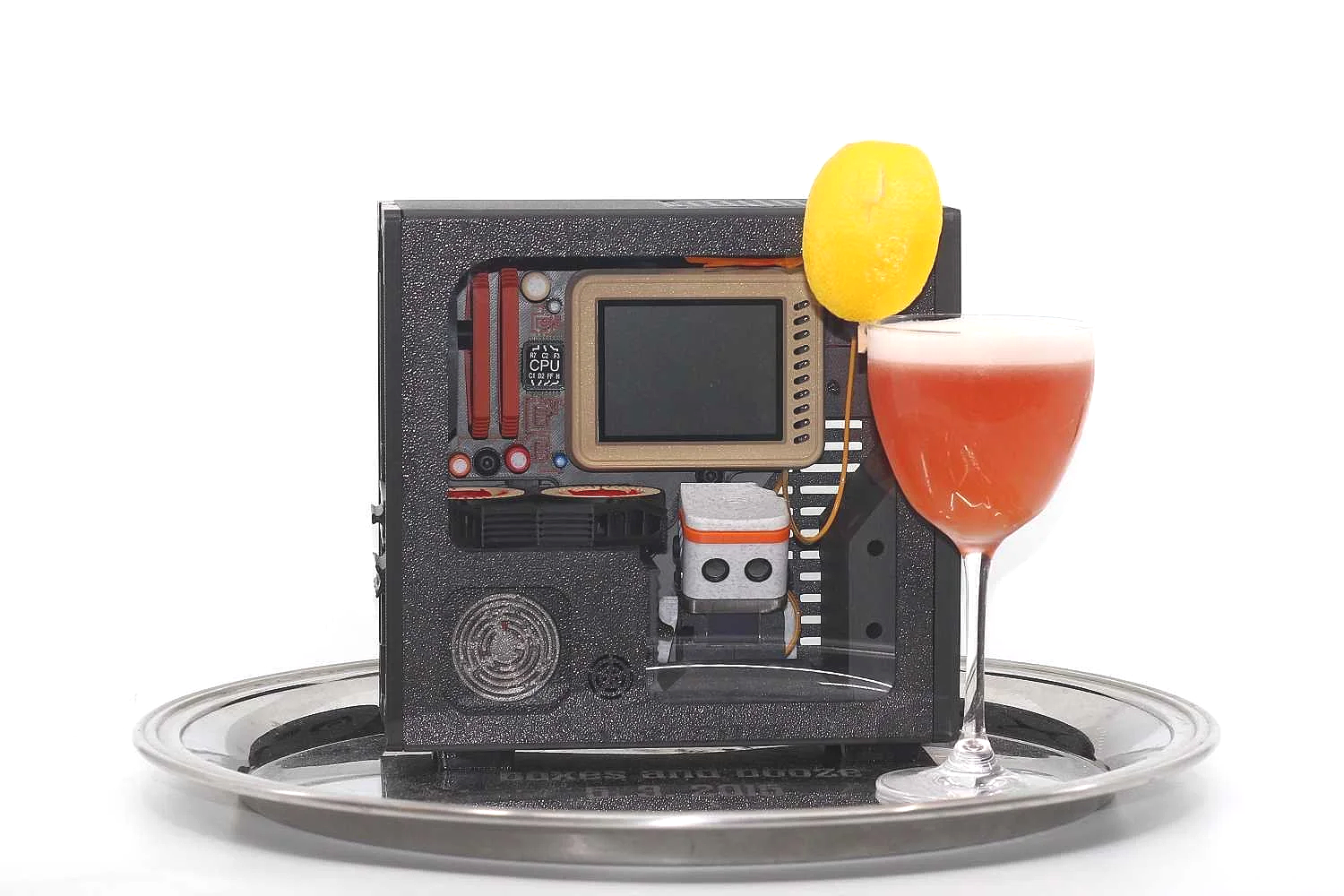
There were many early computer viruses after Creeper first appeared, but the one that first went “viral”, so to speak, was the Elk Cloner, which replicated itself via computer game floppy disks. It was a prank created by high school student Richard Skrenta in 1982, designed to mess with the behavior of your Apple II computer and notably display a silly poem on the screen every so often. There is also, it so happens, a vintage cocktail called the Elk’s Own, invented by Peter Sindar in 1901 (as the Elk’s Fizz) which can be found in the pages of Harry McElhone’s Barflies and Cocktails, 1927. The drink is essentially a New York sour, which is a whiskey sour with a red wine float. The Elk’s Own substitutes red wine for ruby port, a very nice variation. I cloned the recipe with my own modifications. Here’s hoping it goes viral. Cheers!
hack this pair
Elk’s Clone adapted from Peter Sindar, c. 1901
1 oz rye
½ oz tawny port
½ oz Campari
¾ oz lemon
½ oz demerara syrup
1 oz egg white
Shake ingredients with ice and strain into a coup glass. Lemon twist.
explore more: