
Problem Child
Tokyo We Have A Problem
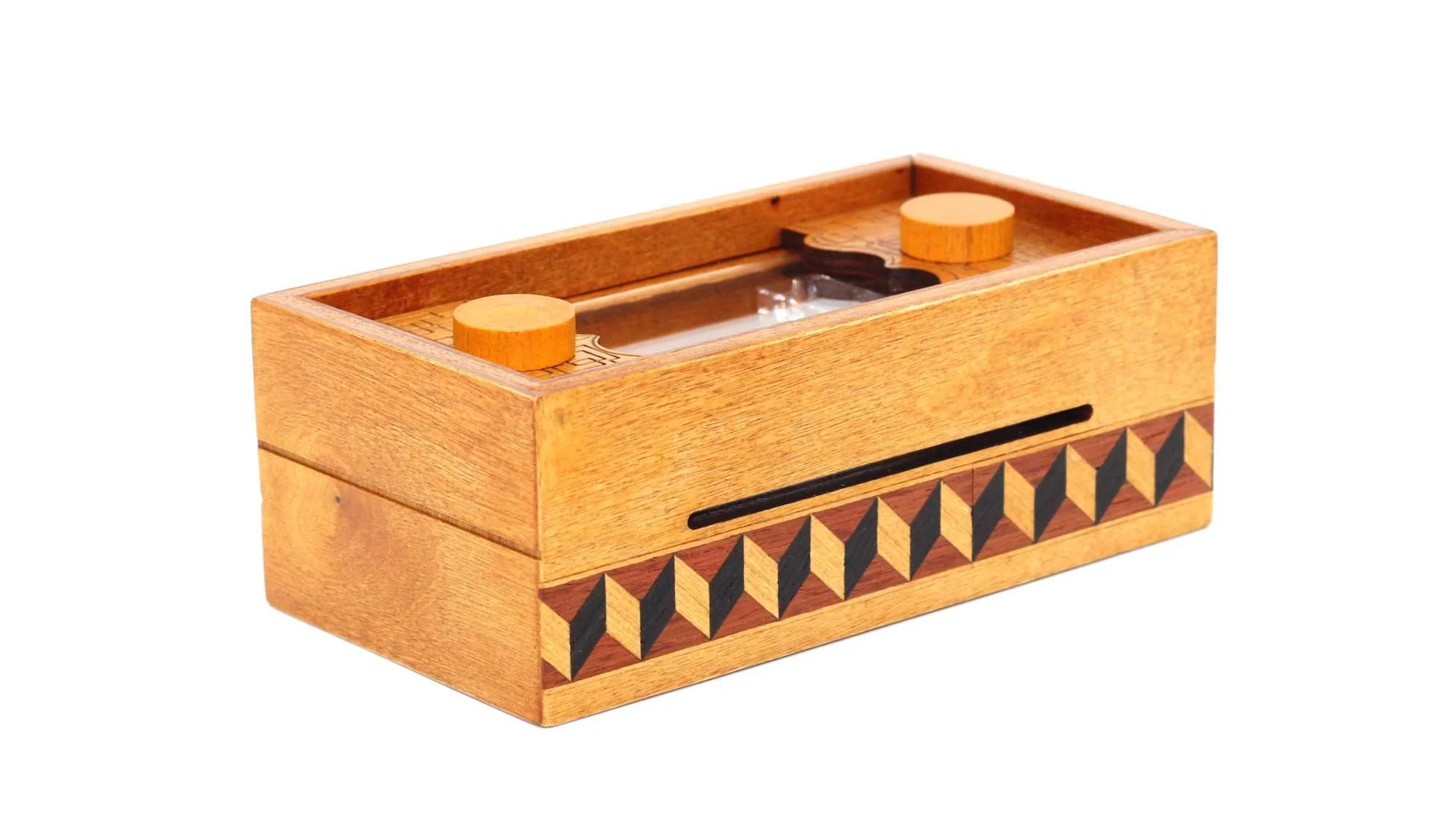
Tokyo We Have A Problem by Brian Young
The distance between Houston and Tokyo is approximately 6700 miles as the crow flies. A problem that started out in Houston could take awhile to reach Tokyo, depending on the mode of transportation. In this case, it took about a year to get there, so unsurprisingly the problem had festered and gotten quite a bit worse by then.
do we have a problem?
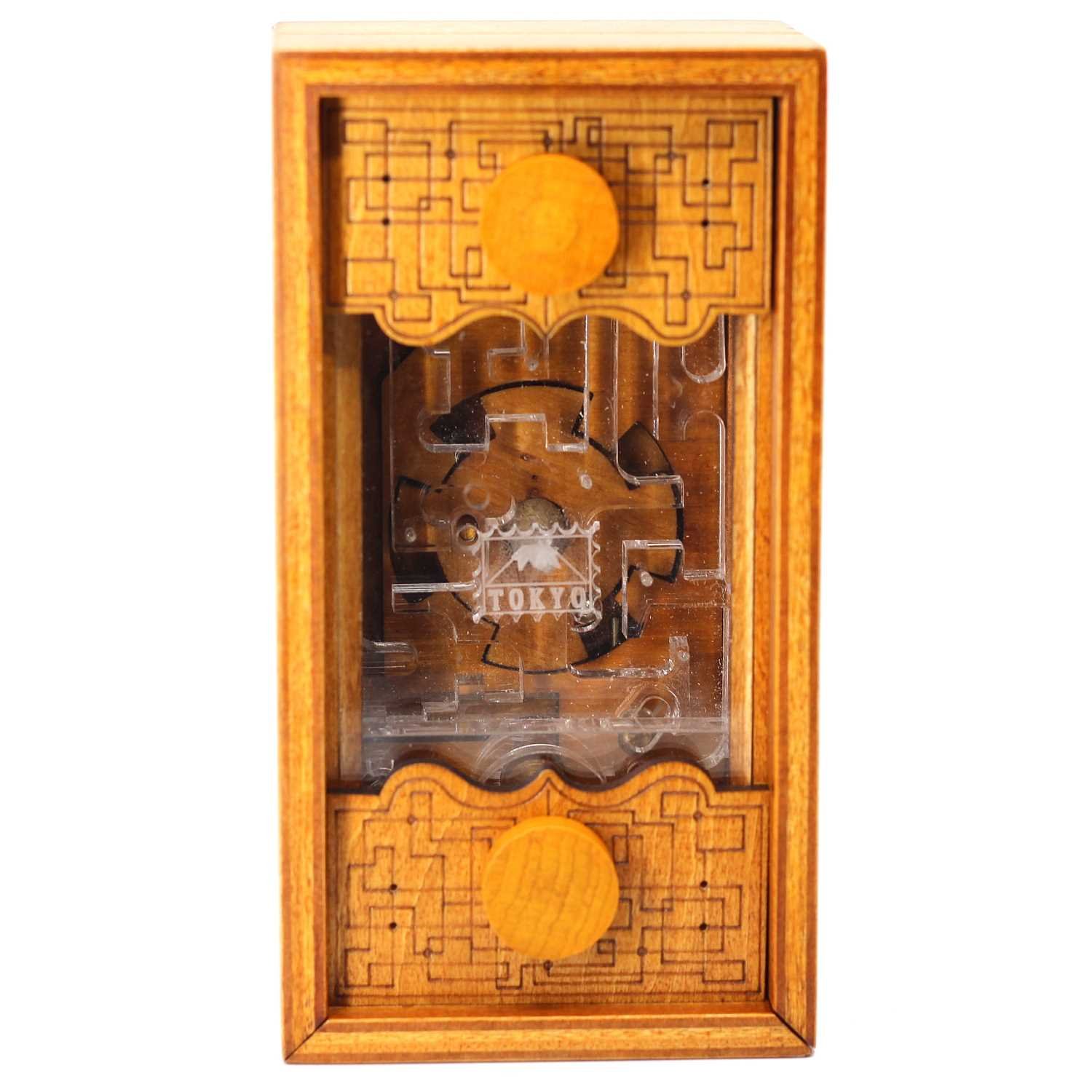
Last year, at the International Puzzle Party in Houston, Texas, a rather clever and buzzed about puzzle was making the rounds. It looked familiar, so what was the fuss all about? Brian Young (aka the original Mr Puzzle) had taken some overstock from his now closed puzzle shop of a classic, simple, and cheaply made Chinese puzzle box, and converted it into a really great sequential discovery puzzle. He called it, “Houston We Had a Problem Here”. The premise was simple enough, with a metal ball rolling around inside layers of transparent acrylic. There were additional interesting elements in there as well with unclear purpose, and, as it turns out, a bunch of hidden features and very elegant mechanisms waiting to be discovered. It’s a great puzzle.
the root of the problem
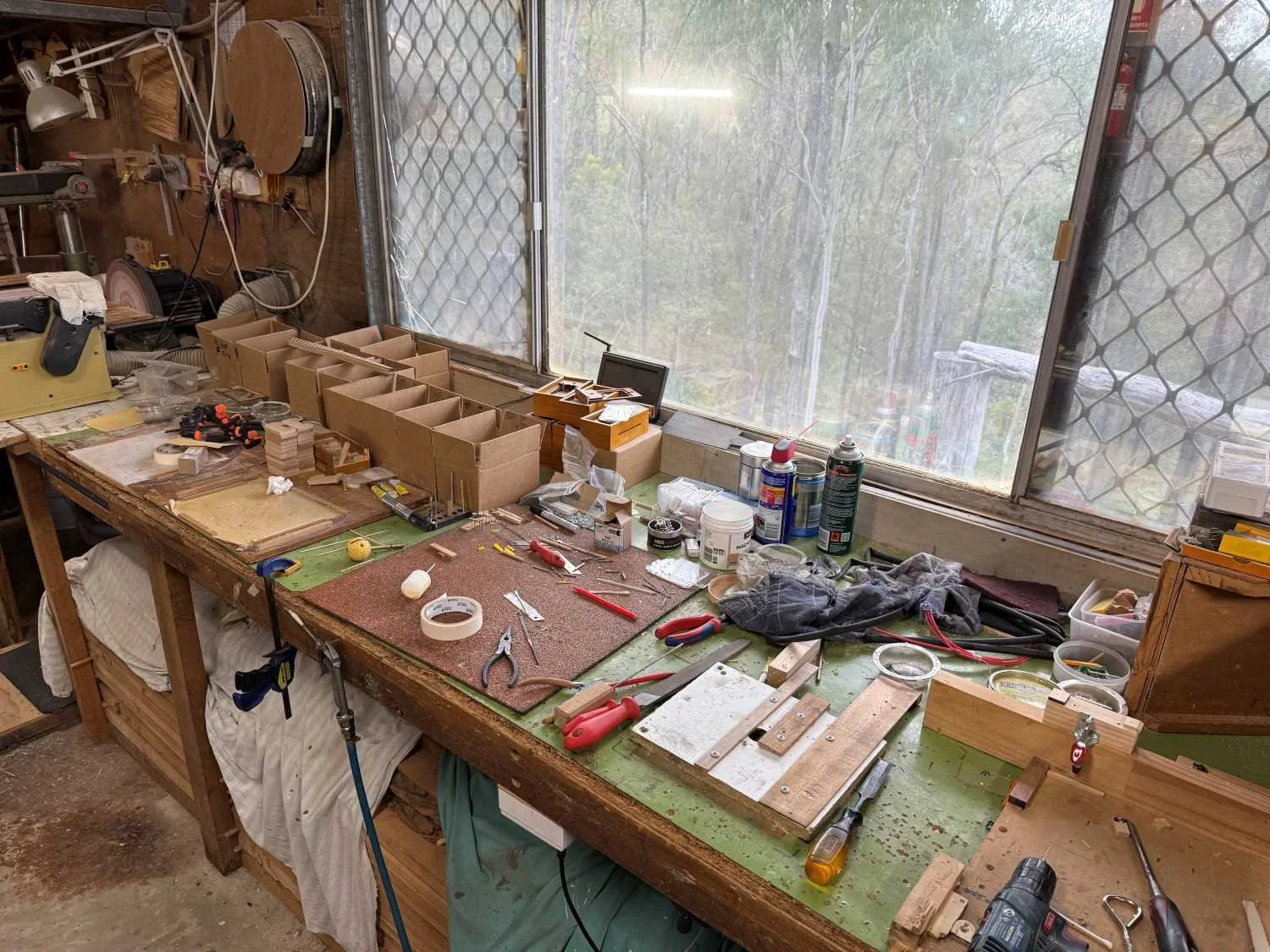
But still, with time crunch and cheap chassis boxes needing a lot of TLC, there were ideas that Brian had to leave out. “I came upon a lot of the ideas when building the first puzzle ‘Houston we had a problem’. The time was running short so I had to start leaving things out but filed the new ideas in the back of my brain.” He always had it in mind that there would be a sequel puzzle, complete with all the bells and whistles that still lived in his mind for the puzzle. Apologies to Tokyo, where the more problematic problem was released at the IPP the following year!
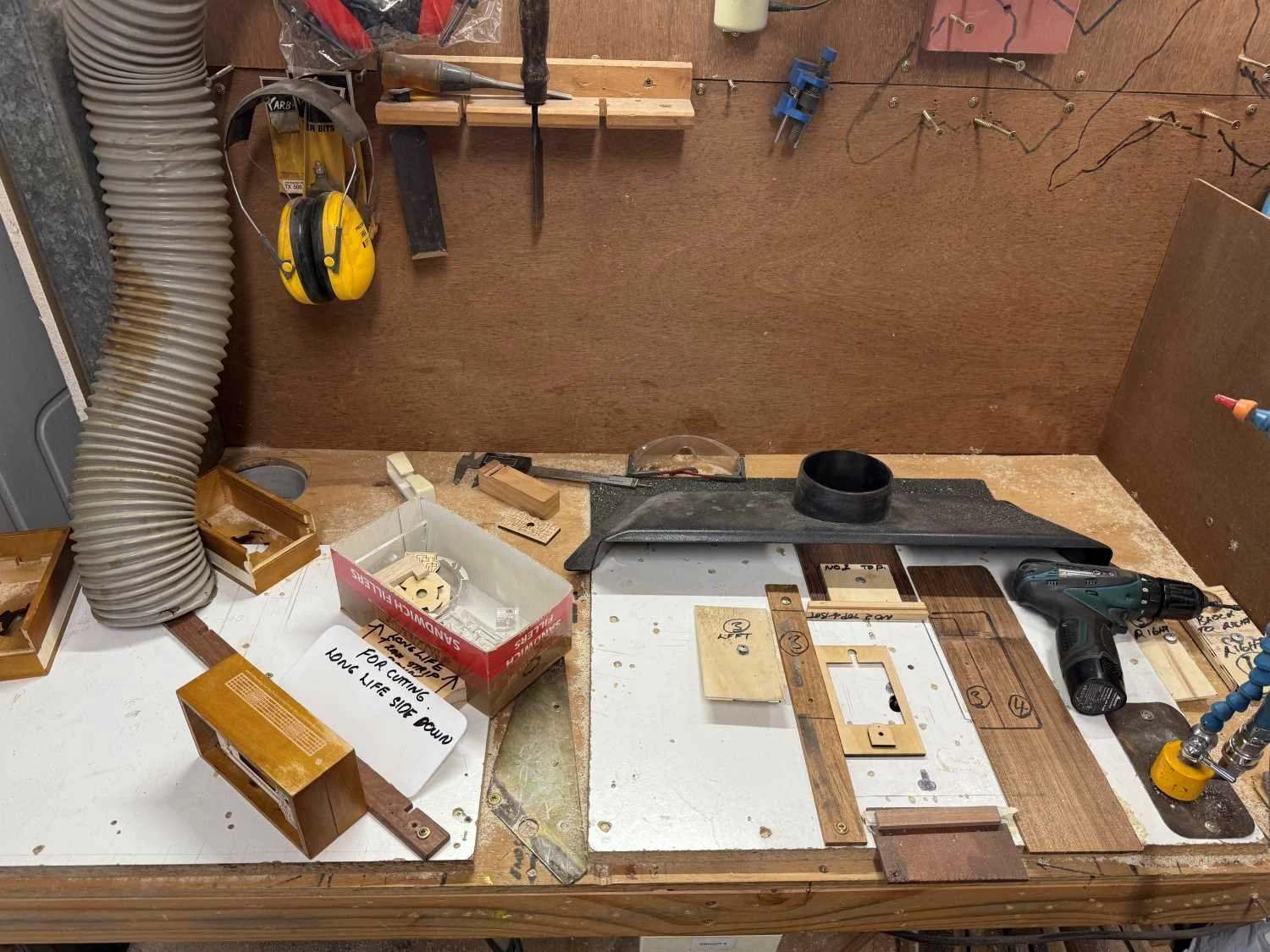
courtesy of Brian Young
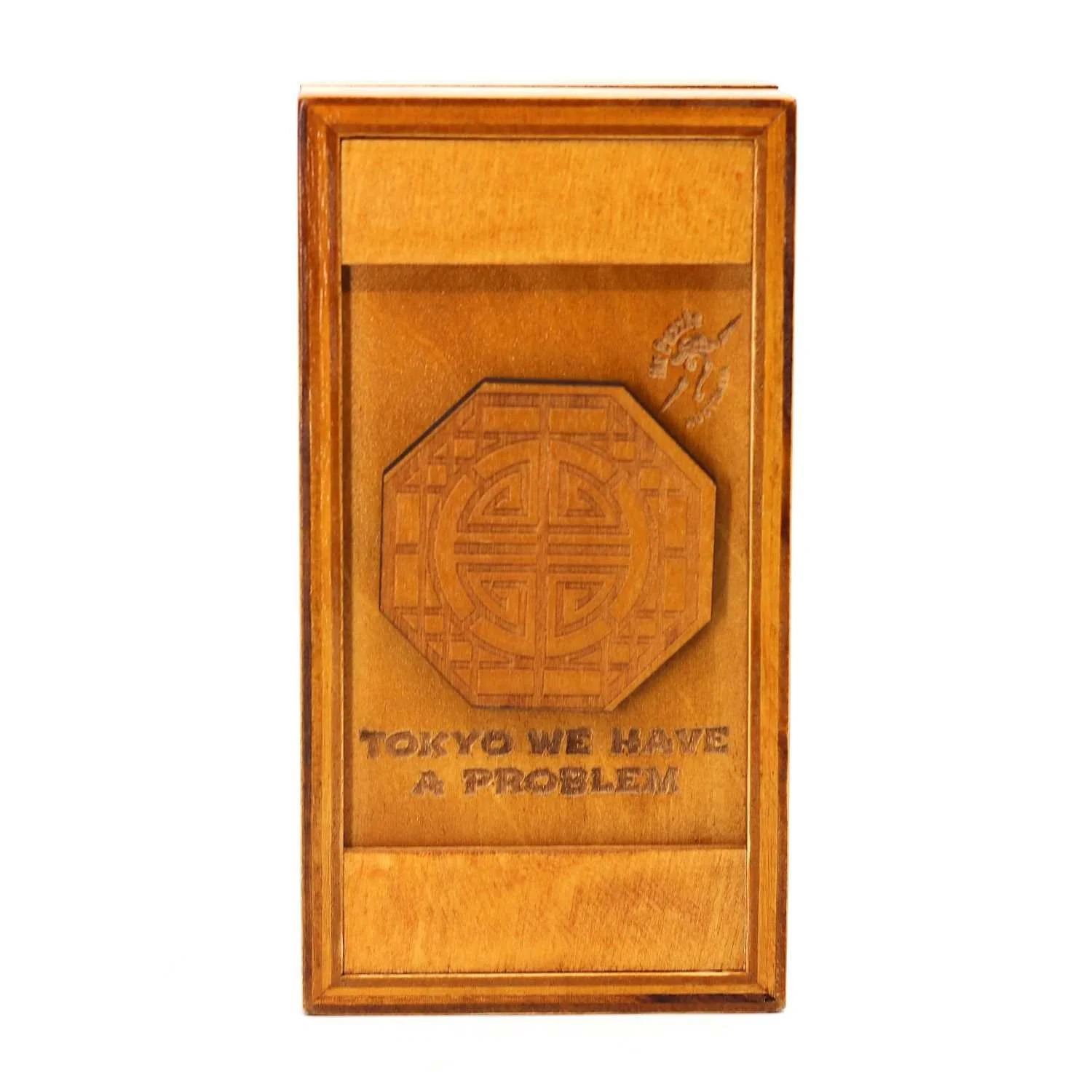
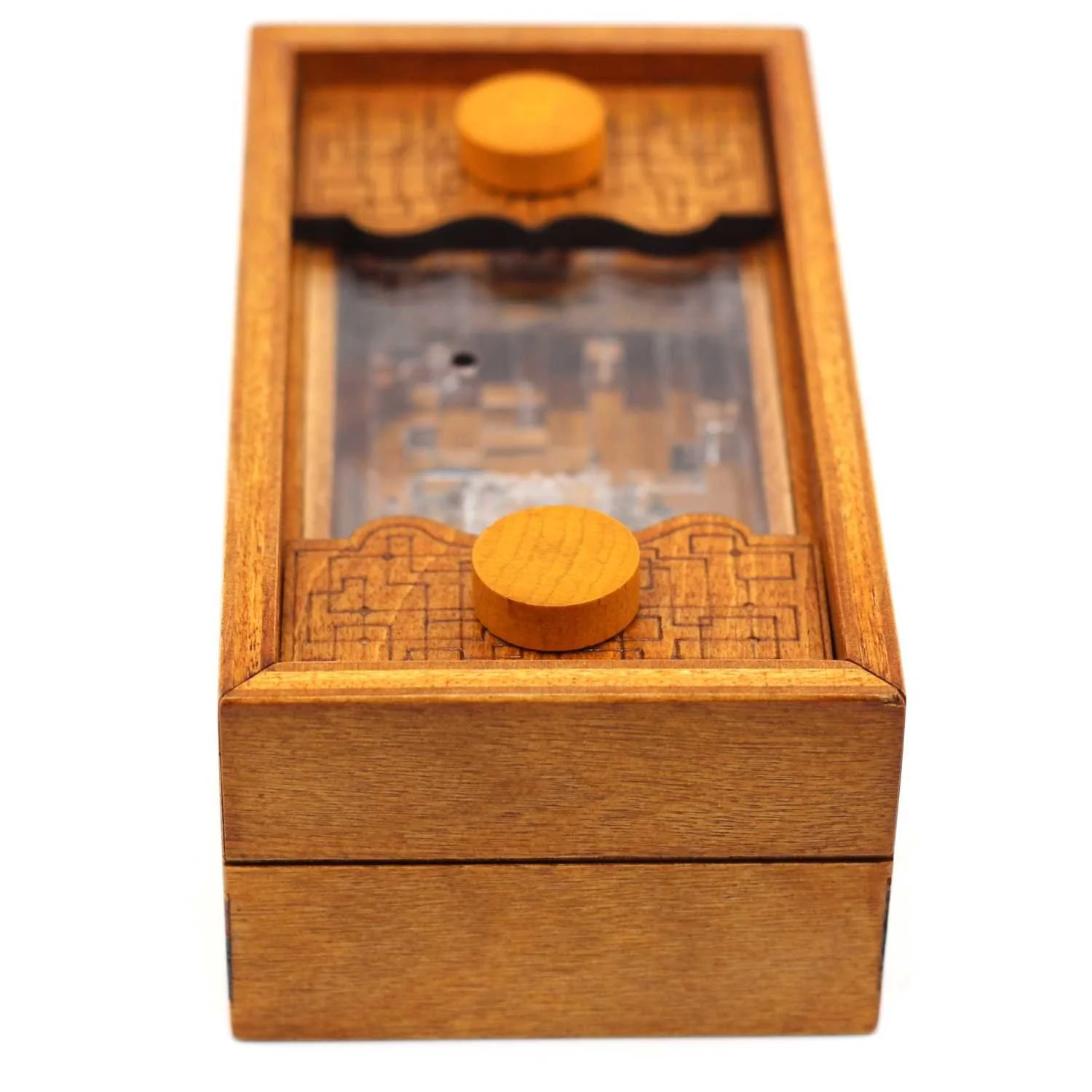
Brian’s “Tokyo We Have A Problem” is every bit as familiar as the predecessor, but had some significant upgrades, including more problems to solve, more steps, and an aesthetic refresh as well. The puzzle looks even nicer than before. Inside, where there is an Apollo 13 icon in the Houston puzzle, now resides a Mt Fuji! And the new puzzle has got some serious balls, to put it colloquially – there are a bunch of big balls in there now! Brian told me about the new puzzle additions and challenges faced.
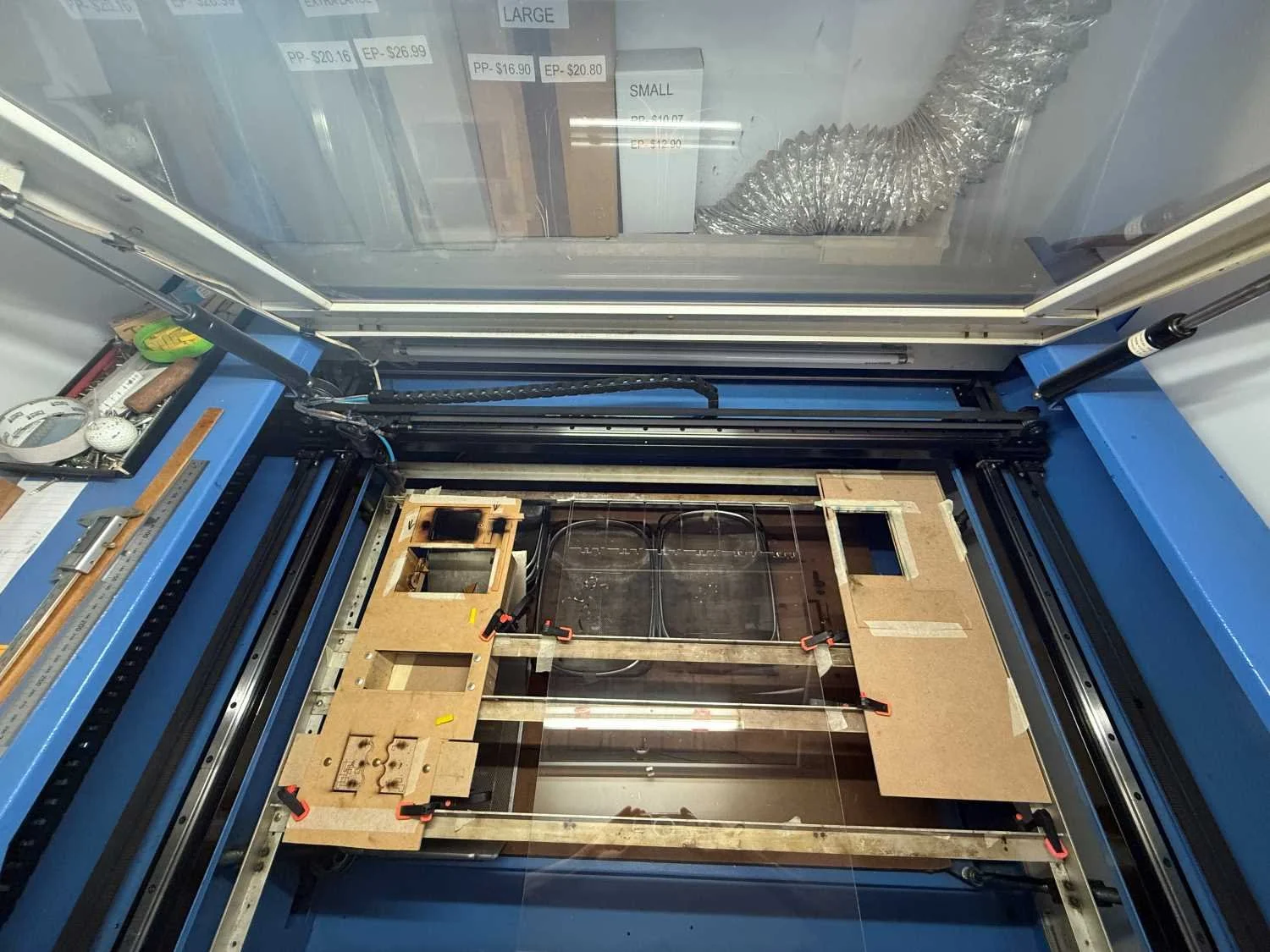
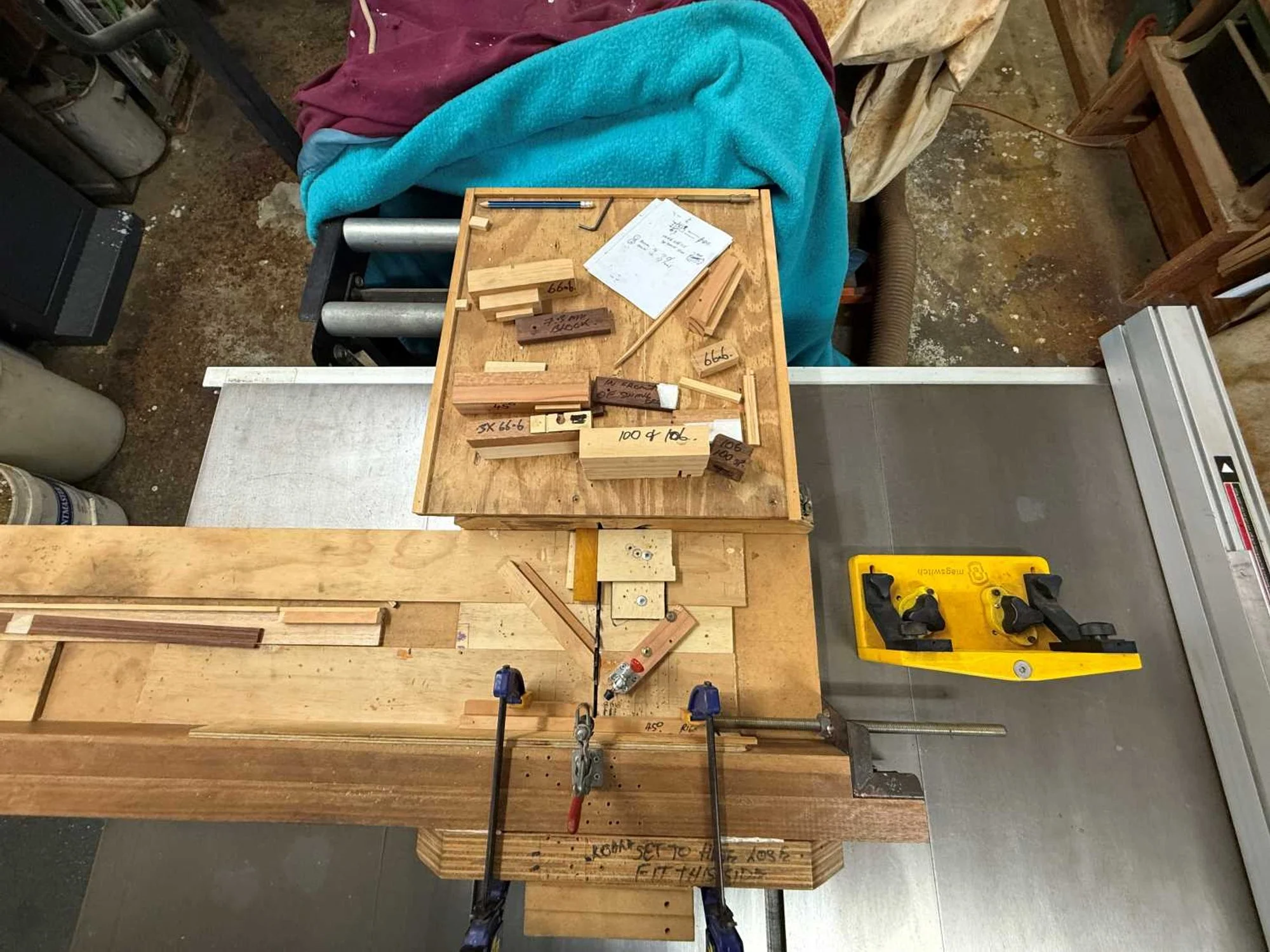
courtesy of Brian Young
“When finally putting the new ideas into place is when you tend to find what works in your brain doesn’t necessarily work in reality. Without making too much of a spoiler - there is a particular part in this puzzle box that didn’t work. But for the amount of work I had already invested I decided l might as well leave it there and let the Puzzler work out the obvious doesn’t work, and let them find a red herring. I made an elegant solution to this part of the problem but it’s not so obvious.”
work the problem
Brian packed a lot into this retrofit. It would probably have been easier for him to make the whole box himself! If he ever entertained notions of further upgrades, there is no need anymore. He added “A little more materials - the inlay and acrylic, brass machining. Mainly just time to get some of the other crazy ideas to work. It took a good couple of months before I actually went into production of any of the Tokyo puzzles. I was never happy at all with the engraving on the original box and wanted to tidy that up. with time I did come up with what I thought was a good work around. the inlay is not perfect, the engraving is at different height on either side so I couldn’t run it all the way around as a neat band. but it’s better than the original engraving. I think everything that I did intend to put in to this puzzle is there now. There won’t be a Mk3.”
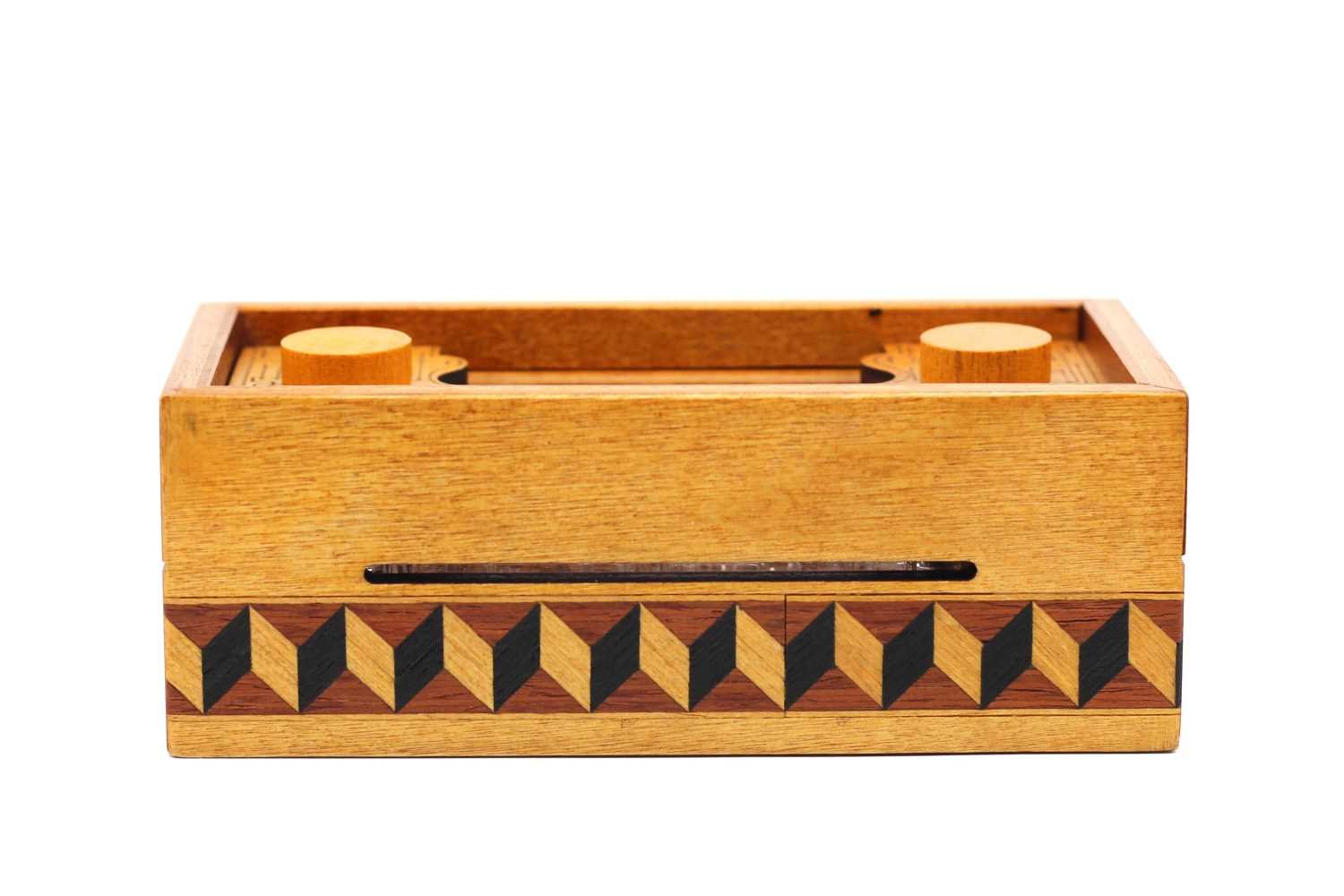
time to face your problems
The Tokyo Problem is another fantastic puzzle. The original Houston problem remains a great puzzle, but Tokyo is full of the razzle and dazzle you might expect from, well, Tokyo. There are many great aha moments along the lengthy journey and brand new ideas which certainly had me stumped for longer than I’ll admit. It’s good to know that Mr Puzzle hasn’t entirely slowed down, and plans to keep making puzzles, when he has time between his world travels, and at his own pace. After all, “that all depends on the crazy ideas I have in my head and whether they will work. And of course time. It’s busy being retired!”
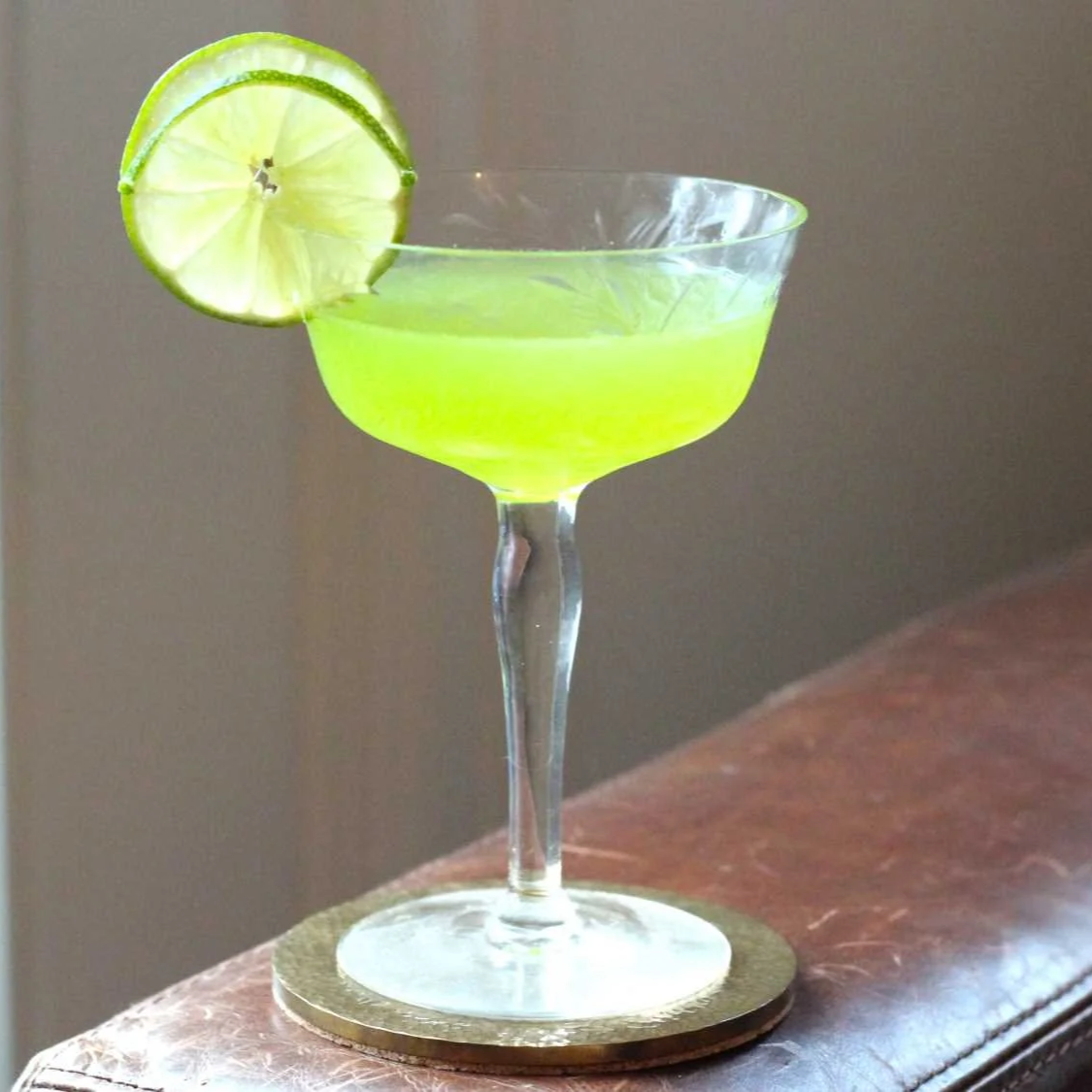
Texas to Tokyo
Here’s a toast to the Tokyo problem and the Aussie problem maker. I was inspired by one of my favorite classics, which uses a template that is easy to play with and has spawned many well known modern classic as well. I’ve created many of my own variations as well over the years and they are all always delicious. The original is called the Last Word, and some may know it is an equal parts recipe using gin, lime juice, Maraschino liqueur and green Chartreuse. Like many beloved classics, there is a great origin story to it. The Last Word has in more recent times been the inspiration for the Paper Plane and the Naked and Famous, two you may have heard of if you are into good cocktails. As you should be.
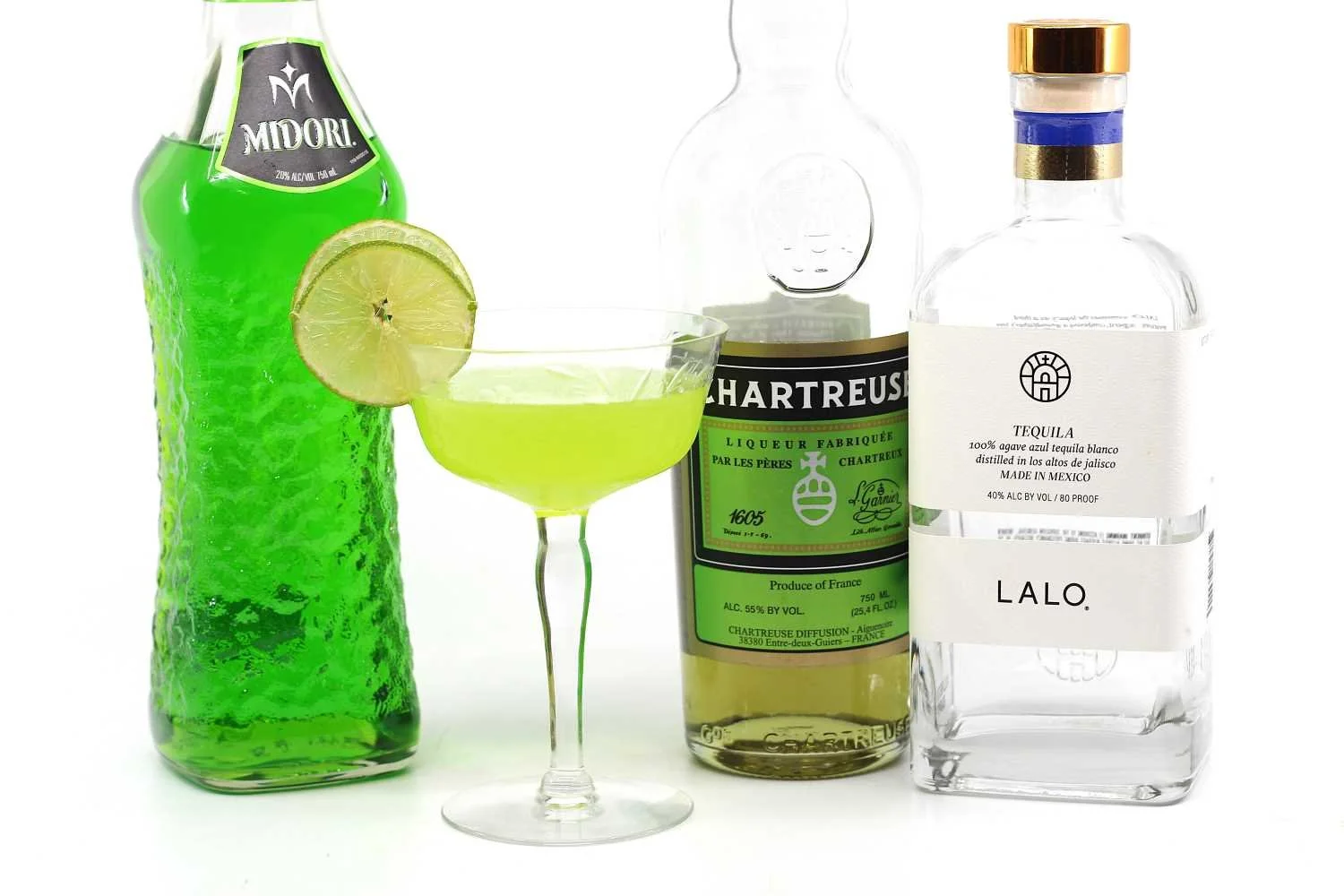
en route from Texas to Tokyo
For the “Texas to Tokyo” cocktail, I’ve corralled two flavors that typify the opposing locales represented in this thematic journey. Where the Last Word uses gin, I’ve exchanged tequila, and in place of the Maraschino (cherry) liqueur, I’ve substituted Midori, the classic Japanese melon liqueur. It can be challenging to make a really good cocktail with Midori, which is prominent and sweet, but the balance of this drink, with tart lime, robust tequila, and strongly herbal Chartreuse works exceptionally well to counter the liqueur in just the right way. The cocktail is not too sweet, and quite refreshing. The bright green color is an awesome bonus. Kanpai, y’all!
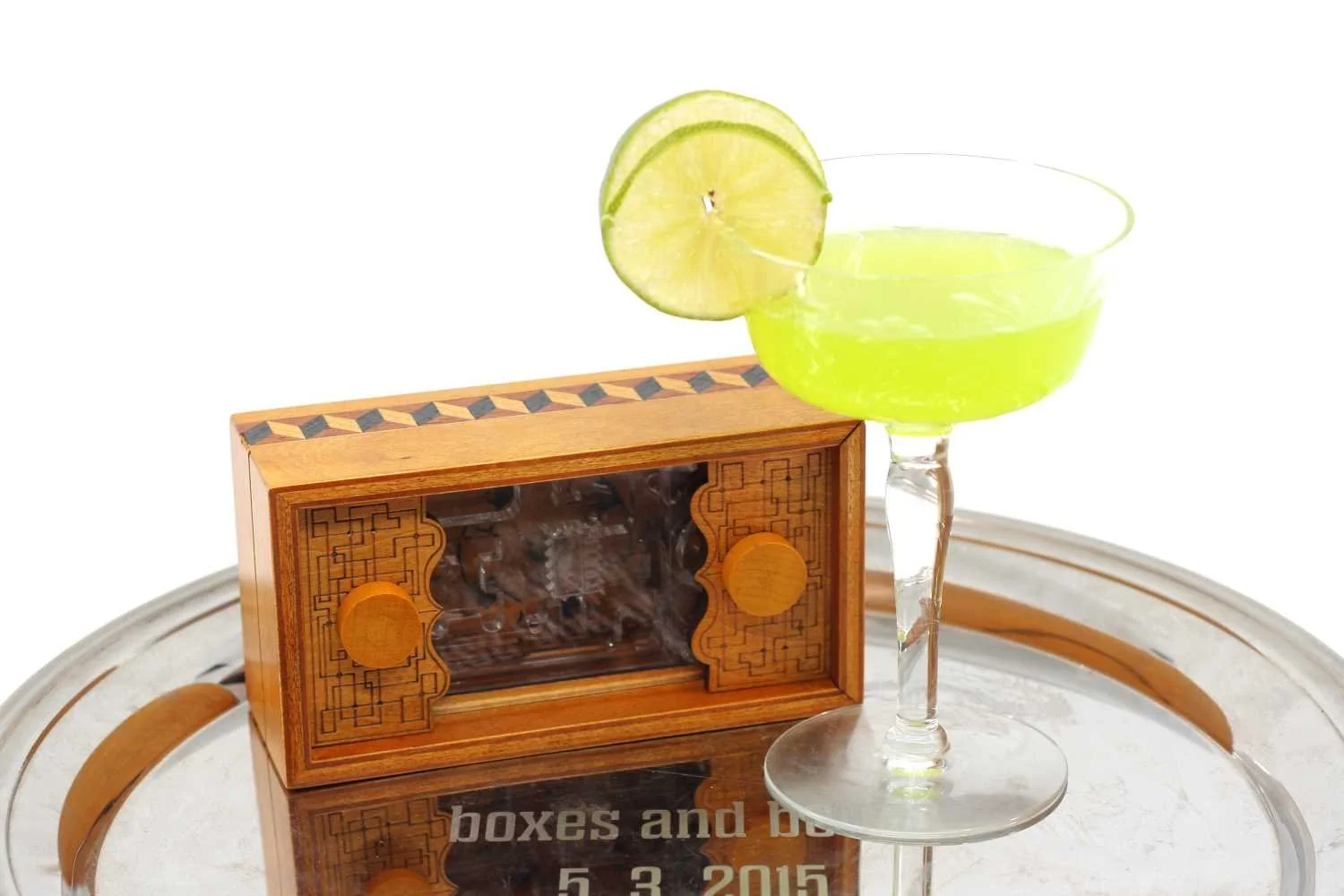
First World Problems
Texas to Tokyo
¾ oz tequila
¾ oz Midori
¾ oz green Chartreuse
¾ oz lime
Shake ingredients with ice and strain into a favorite glass. Lime twist.
explore more:

Problem solved